
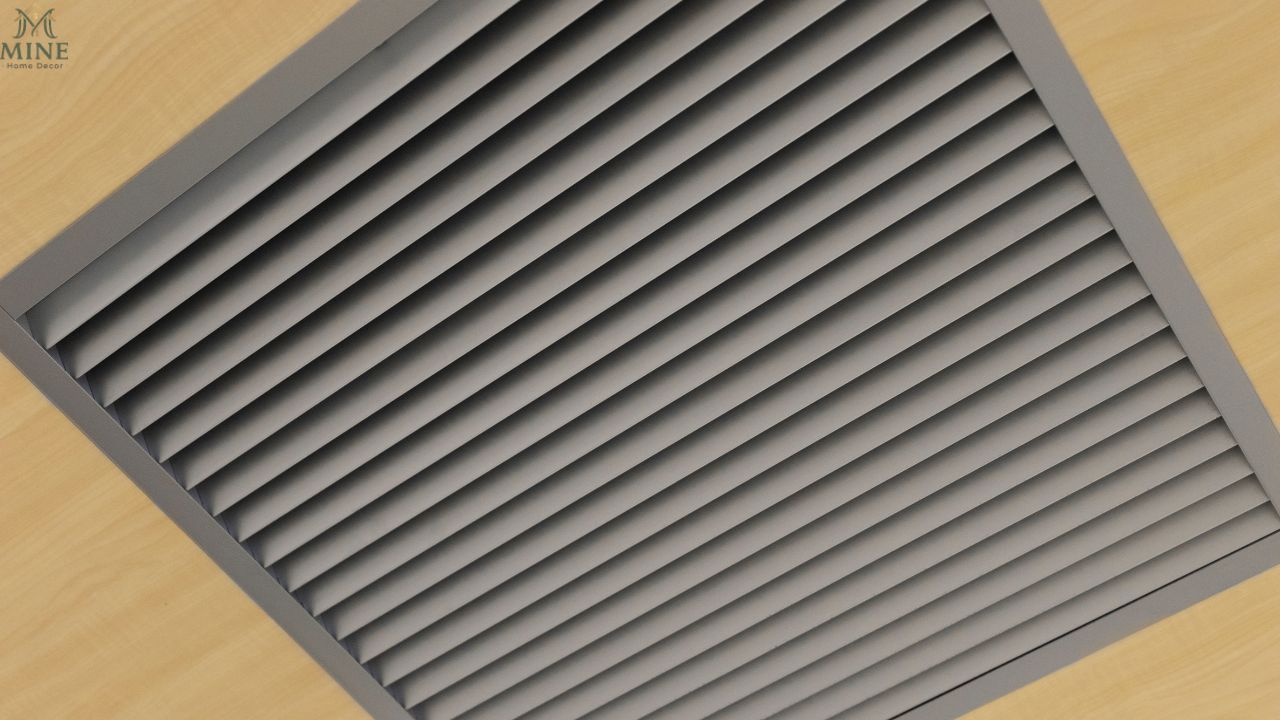
A bathroom exhaust fan usually gets attention only after something goes wrong.
The mirror never clears. Paint starts peeling near the ceiling. A “freshly remodeled” bathroom smells damp six months later. Someone installs a powerful fan, yet steam still hangs in the room after every shower.
Most homeowners assume the fan itself is the problem.
Often, it isn’t.
Bathroom ventilation failures usually come from a mix of bad sizing, poor ducting, noisy motors people avoid turning on, or builder-grade fans that barely move air despite impressive-looking specifications
That’s why choosing the best bathroom exhaust fan is less about finding the highest CFM number and more about matching airflow, noise, ducting, and room conditions correctly.
After analyzing current top-ranking products, real homeowner complaints, HVAC discussions, installer feedback, and long-term reliability trends, a few patterns stand out clearly.
The best-performing bathroom exhaust fans consistently prioritize four things:
- quiet operation
- reliable airflow under real conditions
- durable motors
- intelligent humidity management
And right now, one brand dominates serious recommendations for a reason: Panasonic.
Their Whisper series repeatedly appears in contractor recommendations, homeowner discussions, and testing reviews because the fans solve the biggest real-world issue: people actually leave them running.
A loud fan gets avoided.
A quiet fan protects the bathroom.
Why Most Bathroom Exhaust Fans Fail
The average bathroom fan failure is rarely a dramatic motor burnout.
It’s usually slow underperformance.
The fan technically works, but:
- steam lingers
- condensation forms
- mold returns
- airflow weakens
- noise increases
The biggest hidden issue is duct resistance.
A fan rated at 110 CFM on paper may move dramatically less air once connected to:
- long duct runs
- flexible duct tubing
- multiple elbows
- undersized vents
- clogged dampers
That’s why some homeowners upgrade from a cheap fan to a stronger model and notice almost no difference.
The installation system matters just as much as the fan.
How to Choose the Right Bathroom Exhaust Fan
Start With Bathroom Size — But Don’t Stop There
The common recommendation is:
1 CFM per square foot.
So:
- 50 sq ft bathroom → 50 CFM
- 100 sq ft bathroom → 100 CFM
But real bathrooms aren’t math equations.
You also need to account for:
- ceiling height
- shower frequency
- climate humidity
- enclosed toilet rooms
- poor natural airflow
- multiple shower heads
A heavily used family bathroom often benefits from sizing slightly above minimum recommendations.
Sones Matter More Than Most Buyers Expect
Sones measure noise.
And buyers routinely underestimate how much noise affects long-term satisfaction.
General guideline:
- under 1.0 sone = very quiet
- 1.5 sones = moderate
- 3+ sones = noticeably loud
Many older builder-grade fans operate around 4 sones or higher.
That constant buzzing becomes irritating fast.
Quiet fans change user behavior. People leave them running longer, which improves humidity removal dramatically.
Humidity Sensors Are Worth It in Most Homes
A humidity-sensing fan automatically activates when moisture rises.
This solves one of the biggest bathroom ventilation problems:
People forget to turn the fan on.
Or they shut it off too early.
Humidity-sensing models are especially useful in:
- family bathrooms
- kids’ bathrooms
- rentals
- humid climates
- bathrooms without windows
Best Bathroom Exhaust Fans in 2026
Best Overall: Panasonic WhisperCeiling DC
Panasonic continues dominating premium recommendations because their DC motor systems balance:
- airflow
- low noise
- efficiency
- reliability
Why it stands out:
- extremely quiet
- strong real-world airflow
- ENERGY STAR certified
- long-term durability
- excellent humidity control
Best for:
- most medium-sized bathrooms
- remodels
- homeowners prioritizing quietness
Potential downside:
- higher upfront cost
Best Budget Option: Broan-NuTone AE110
Broan-NuTone remains strong in affordability and availability.
Good fit for:
- standard bathrooms
- budget remodels
- replacement installs
Strengths:
- accessible pricing
- solid airflow
- easier availability at big-box stores
Weakness:
- not as refined acoustically as Panasonic
Best Quiet Fan: Panasonic WhisperGreen
This is the fan many homeowners describe as “almost invisible.”
In practical terms, that matters more than marketing language.
Quiet operation changes usage habits.
People stop rushing to shut it off.
Best for Large Bathrooms: Delta Breez Professional Series
Delta Breez performs especially well in:
- oversized bathrooms
- spa-style showers
- high-steam environments
High airflow models work well when paired with properly sized ducting.
Real Installation Mistakes That Destroy Performance
Venting Into the Attic
Still surprisingly common.
This traps moisture inside attic spaces and can create:
- mold
- insulation damage
- wood rot
Bathroom fans must vent outdoors.
Flexible Duct Kinks
Flexible ducts collapse easily.
Every bend reduces airflow efficiency.
Smooth rigid ducting performs substantially better.
Undersized Ducting
A powerful fan connected to a restrictive duct behaves like a sports car stuck in traffic.
The fan rating becomes meaningless.
Quietest Bathroom Exhaust Fans Compared
| Fan | Noise Level | Best Use |
|---|---|---|
| Panasonic WhisperGreen | Extremely quiet | Primary bathrooms |
| Panasonic WhisperCeiling | Very quiet | General use |
| Broan Roomside Series | Moderate | Budget remodels |
| Delta Breez | Quiet | Large bathrooms |
Common Bathroom Exhaust Fan Problems
“My Fan Runs But Steam Stays”
Usually caused by:
- clogged ducts
- poor vent routing
- insufficient makeup air
- undersized fan
- weak damper performance
Not necessarily a defective fan.
“The Fan Is Loud Suddenly”
Common causes:
- dust buildup
- loose mounting brackets
- failing bearings
- vibration against drywall
“Mold Keeps Coming Back”
Often linked to:
- short fan runtime
- humidity lingering after showers
- inadequate airflow
- attic venting mistakes
Are Expensive Bathroom Fans Worth It?
Sometimes yes. Sometimes absolutely not.
Premium fans make the biggest difference when:
- bathrooms are used heavily
- humidity stays high
- noise sensitivity matters
- long-term durability matters
- ventilation access is difficult
For occasional-use powder rooms, budget models are often sufficient.
But in primary bathrooms, quieter premium fans usually provide better long-term satisfaction.
Expert Recommendations by Bathroom Type
Small Bathroom
50–80 CFM usually works well.
Avoid oversized noisy fans.
Large Master Bathroom
Look for:
- 110+ CFM
- low sone rating
- humidity sensing
- larger duct compatibility
Basement Bathroom
Prioritize:
- powerful airflow
- moisture control
- reliable duct routing
Basements trap humidity more aggressively.
FAQs
What is the best bathroom exhaust fan brand?
Panasonic currently leads in quiet performance, efficiency, and long-term reliability.
How many CFM do I need?
General rule:
But larger showers, tall ceilings, and humid climates may require more.
Are humidity-sensing fans worth it?
Yes, especially for family bathrooms and humid environments.
They improve consistency and reduce mold risk.
Can a bathroom fan be too powerful?
Yes.
Excessively powerful fans may:
- create drafts
- increase noise
- pull conditioned air unnecessarily
- perform poorly with inadequate makeup air