
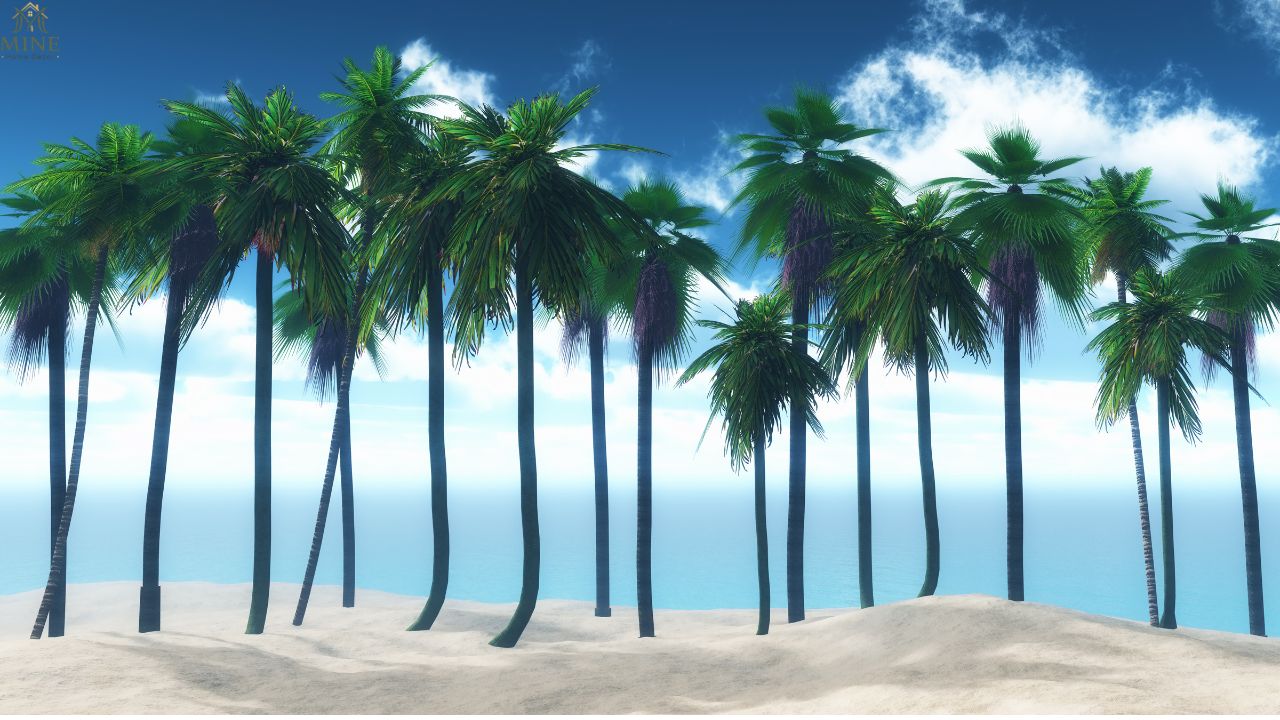
Section 1 — Understanding Palm Trees
Palm trees instantly make people think of sunny beaches, warm weather, and relaxing tropical vacations. Just one look at their long green fronds swaying in the wind can make any place feel calm and beautiful. But did you know there are more than 2,500 palm species growing around the world? That means there are countless types of palm trees to discover, from tiny indoor plants to giant tropical trees reaching over 100 feet tall.

Some palm trees grow near oceans, while others survive in dry deserts or even cold weather. Certain palms fit perfectly inside cozy apartments, and others become eye-catching centerpieces in huge tropical gardens. Learning about the many types of palm trees can help you choose the best one for your home, yard, or landscaping project.
In this guide, you’ll explore what makes palms special, how to identify them, and why so many people love these amazing tropical plants. Whether you want indoor palm trees, outdoor landscaping palms, or fast-growing tropical greenery, there’s a perfect palm waiting for you.
What Are Palm Trees?
Palm trees are tropical evergreen plants that belong to a plant family called Arecaceae. That may sound like a big scientific word, but don’t worry — it simply means palms are part of a special group of plants known for their tall trunks and beautiful leafy tops.
Unlike regular trees, palms grow differently. Most trees make branches as they grow, but many types of palm trees grow with one straight trunk and a crown of leaves at the top. These leaves are called fronds. Some fronds look like giant feathers, while others spread out like hand fans.
One of the coolest things about palm trees is how different they can look from one another. Some are short and bushy. Others are tall and skinny. Some grow coconuts, while others produce dates or colorful flowers.
People love types of palm trees because they bring a peaceful tropical feeling wherever they grow. They’re often used in:
- Tropical landscaping
- Poolside gardens
- Beach resorts
- Indoor decoration
- Patio containers
- Warm climate gardens
Many homeowners choose ornamental palm trees because they’re beautiful, low maintenance, and long-lasting.
Why Palm Trees Are So Popular
Palm trees have been popular for hundreds of years, and it’s easy to see why. They create a relaxing atmosphere that instantly makes spaces feel more welcoming and luxurious.
Here are 5 reasons people love different types of palm trees:
1. They Make Any Space Look Tropical
Even a small palm can completely change the mood of a room or backyard. Tropical foliage and arching fronds create a calm and refreshing look.
That’s why many people decorate with indoor palm trees like:
- Areca Palm
- Parlor Palm
- Kentia Palm
- Lady Palm
These tropical houseplants make indoor spaces feel alive and colorful.
2. Many Palm Trees Are Easy to Care For
A lot of beginner-friendly palms don’t need much attention. Some low maintenance palm trees can survive with:
- occasional watering
- bright indirect light
- simple fertilizer
That makes them perfect for busy families and first-time plant owners.
3. Palm Trees Come in Many Shapes and Sizes
One reason people search for types of palm trees is because there’s such a huge variety available.
You can find:
- dwarf palm trees
- fast growing palm trees
- fan palms
- feather palms
- clumping palms
- single trunk palms
Some palms stay under 6 feet tall, while others become towering tropical giants.
4. Palm Trees Work Indoors and Outdoors
Not all tropical plants can grow inside homes, but many palm tree varieties do very well indoors.
Indoor tropical plants help:
- clean the air
- improve mood
- add natural beauty
Outdoor palm trees are excellent for:
- landscaping
- pool areas
- patios
- privacy screens
- tropical garden design
5. Palm Trees Can Grow in Different Climates
Many people think palms only grow on tropical islands, but that’s not true. Some cold hardy palms can survive cooler temperatures surprisingly well.
Popular cold hardy palm trees include:
- Windmill Palm
- Needle Palm
- European Fan Palm
These hardy palm species can handle colder weather better than many people expect.
Are Palm Trees Actually Trees?
Here’s something surprising: palm trees are not exactly “true trees” like oak or maple trees.
Regular trees grow wood rings inside their trunks. Palm trees grow differently. Their trunks are made from tightly packed fibers instead of thick wood.
Still, people call them trees because they look tree-like.
This unique structure helps many types of palm trees bend during strong tropical storms without breaking easily.
Pretty smart, right?
Main Categories of Palm Trees
There are many ways to group palm trees, but most fall into 4 main categories.
Understanding these categories makes identifying different types of palm trees much easier.
Fan Palms
Fan palms have leaves that spread out like giant folding fans.
Their fronds look wide and round, almost like a handheld paper fan. These palms often create a dramatic tropical look in landscaping.
Popular fan palms include:
- Mexican Fan Palm
- Chinese Fan Palm
- European Fan Palm
Fan palms are often:
- drought tolerant
- sun loving
- excellent for outdoor landscaping
Many tropical garden plants use fan palms because their large leaves create bold texture and shade.
Feather Palms
Feather palms have soft fronds that look like bird feathers.
These palms create a softer and more elegant appearance compared to fan palms.
Popular feather palms include:
- Coconut Palm
- Queen Palm
- Areca Palm
- Majesty Palm
Many indoor palm trees belong to this category because their feather-like leaves look graceful indoors.
If you picture classic tropical beaches, you’re probably imagining feather palms.
Clumping Palms
Clumping palms grow multiple stems together instead of one single trunk.
This creates a fuller, bushier look.
Popular clumping palms include:
- Bamboo Palm
- Cat Palm
- Lady Palm
These types of palm trees are excellent for:
- indoor greenery
- privacy
- compact spaces
- tropical decor
Because they grow in clusters, they often appear lush and dense.
Single-Trunk Palms
Single-trunk palms grow one tall trunk with leaves at the top.
These are the classic palm trees most people recognize immediately.
Popular single trunk palms include:
- Royal Palm
- Foxtail Palm
- Date Palm
- Bottle Palm
Many ornamental landscaping palms belong to this category because they create strong visual impact.
How to Identify Different Types of Palm Trees
Palm tree identification can feel tricky at first because many palms look similar. But once you know what to look for, spotting different types of palm trees becomes much easier.
Here are the main things to examine.
1. Look at the Leaves
Palm leaves tell you a lot.
There are 2 major leaf shapes:
- fan-shaped leaves
- feather-like leaves
Fan-shaped fronds spread outward in a circle.
Feather fronds grow in rows along a center stem.
Leaf color also matters. Some palms have:
- bright green fronds
- bluish leaves
- silver foliage
- dark glossy greenery
For example:
- Bismarck Palm has silvery-blue leaves
- Areca Palm has soft green feather fronds
2. Examine the Trunk
Palm trunks come in many textures and patterns.
Some are:
- smooth
- rough
- ringed
- thick
- skinny
The trunk texture helps identify palm species quickly.
For example:
- Bottle Palm has a swollen trunk
- Royal Palm has a smooth elegant trunk
- Date Palm has a rough textured surface
Many tropical landscaping palms are chosen specifically because of their unique trunk appearance.
3. Check the Height
Some palms stay tiny while others grow incredibly tall.
Small palm tree varieties are perfect for:
- apartments
- patios
- indoor decoration
Tall palms work better for:
- tropical resorts
- outdoor landscaping
- large gardens
Height can help narrow down the exact types of palm trees you’re looking at.
4. Look for Fruit or Flowers
Some palm trees produce:
- coconuts
- dates
- berries
- colorful flowers
Coconut Palm and Date Palm are two of the most famous fruit-producing palms.
These details help with palm tree identification and also make gardens more interesting.
5. Notice the Climate
Climate plays a huge role in where palm trees grow.
Some palms love:
- humidity
- tropical heat
- salty coastal air
Others handle:
- drought
- dry climates
- cold weather
Understanding climate needs helps you choose the best types of palm trees for your area.
Why Palm Trees Matter in Landscaping
Palm trees are more than just pretty plants. They completely transform outdoor spaces.
Many landscape designers use tropical palms because they:
- create shade
- add height
- improve curb appeal
- bring texture
- create a vacation-like atmosphere
Palm trees for landscaping are especially popular around:
- swimming pools
- patios
- walkways
- garden entrances
Even one well-placed palm can make a backyard feel luxurious.
Indoor Palm Trees Are Growing More Popular
Indoor palms have become trendy because they combine beauty with simplicity.
People love indoor palm tree types because they:
- brighten rooms
- soften empty corners
- create calming spaces
- fit modern decor
Popular indoor tropical plants include:
- Areca Palm
- Bamboo Palm
- Kentia Palm
- Cat Palm
Many indoor-friendly types of palm trees also help improve air quality, making homes feel fresher and healthier.
Palm Trees Can Live a Long Time
Some palm species live for decades, while a few can survive over 100 years.
That means planting a palm tree is often a long-term investment in your home or garden.
Fast growing palm trees may mature quickly, but many still live for generations with proper care.
That’s one reason tropical landscaping palms remain so popular around the world.
Final Thoughts
Learning about the many types of palm trees opens the door to a fascinating world of tropical beauty. From tiny indoor palms to towering outdoor giants, every palm has its own personality, appearance, and growing style.
Some palms thrive indoors beside sunny windows. Others become dramatic centerpieces in tropical gardens. Certain palm tree varieties love warm coastal weather, while cold hardy palms survive chilly winters surprisingly well.
By understanding:
- leaf shapes
- trunk textures
- growth habits
- climate preferences
- care needs
you’ll have a much easier time identifying and choosing the perfect palm for your space.
And honestly, few plants create the same peaceful feeling as palm trees. Their graceful fronds, tropical greenery, and relaxing appearance make homes and gardens feel happier, warmer, and more inviting.