
Beautiful stone countertops can transform an ordinary kitchen or bathroom into a sophisticated and inviting space. However, many homeowners discover that keeping natural stone spotless is not as simple as wiping it down with any cleaner sitting under the sink. Learning how to clean stone countertops correctly is essential if you want to preserve their beauty and avoid costly damage.
Whether your home features granite, marble, quartzite, slate, or soapstone, proper care helps maintain the stone’s natural appearance while extending its lifespan. Harsh chemicals, acidic products, and improper cleaning methods can dull finishes, cause discoloration, or weaken protective sealants over time.
Understanding how to clean stone countertops the right way allows you to remove dirt, grease, water spots, and stains without harming the surface. This guide covers everything from daily cleaning routines to deep-cleaning techniques, stain removal methods, and maintenance tips that help your countertops remain beautiful for years.
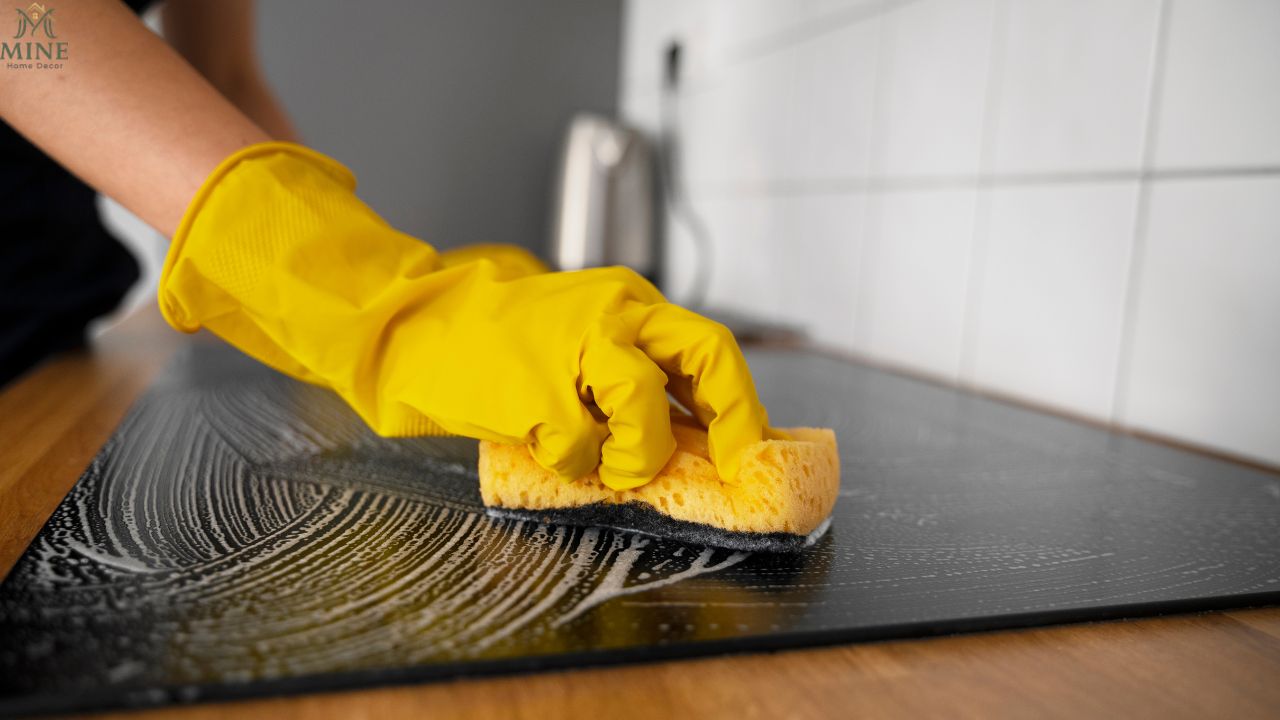
![Cleaning stone countertops in a modern kitchen]
Understanding Stone Countertops
What Are Stone Countertops?
Stone countertops are surfaces made from natural stone materials extracted from quarries and cut into slabs for residential and commercial use. Popular options include:
- Granite
- Marble
- Quartzite
- Slate
- Soapstone
- Limestone
- Travertine
Each stone type has unique characteristics, but all require specific cleaning methods to prevent damage.
Why Proper Cleaning Matters
Natural stone is often porous, meaning it can absorb liquids, oils, and contaminants. Improper cleaning products may:
- Strip protective sealants
- Cause etching
- Create dull spots
- Leave residue
- Lead to permanent staining
Knowing how to clean stone countertops properly helps avoid these common issues while preserving the stone’s natural elegance.
Daily Cleaning Routine for Stone Countertops
Use a Soft Cloth and Warm Water
For everyday cleaning, warm water and a microfiber cloth are often all you need. This simple approach removes dust, crumbs, and light spills without exposing the stone to harmful chemicals.
Steps:
- Remove loose debris.
- Dampen a microfiber cloth with warm water.
- Wipe the entire surface.
- Dry immediately with a clean towel.
This routine is one of the safest ways to practice how to clean stone countertops on a daily basis.
Choose a pH-Neutral Stone Cleaner
When additional cleaning power is needed, select a cleaner specifically formulated for natural stone.
Look for:
- pH-neutral formulas
- Stone-safe labels
- Non-abrasive ingredients
- Residue-free cleaners
Avoid using:
- Vinegar
- Lemon juice
- Bleach
- Ammonia
- Abrasive powders
![Infographic showing safe and unsafe cleaners for stone countertops]
How to Clean Stone Countertops Without Damaging the Sealant
Protecting the Surface Finish
Most stone countertops are sealed to prevent moisture penetration. Harsh chemicals can degrade this protective layer.
Best practices include:
- Using soft microfiber cloths
- Avoiding scrubbing pads
- Cleaning spills immediately
- Using stone-safe products only
Cleaning High-Traffic Areas
Kitchen islands and food preparation zones experience more wear than other countertop sections.
Focus on:
- Grease removal
- Food residue cleanup
- Water spot prevention
- Daily sanitization
These habits are essential when learning how to clean stone countertops in busy households.
Removing Common Stains from Stone Countertops
Oil-Based Stains
Oil can penetrate porous stone quickly.
Common sources:
- Cooking oils
- Butter
- Cosmetics
- Lotions
Removal method:
- Blot excess oil.
- Apply a stone-safe poultice.
- Cover with plastic wrap.
- Let sit for 24 hours.
- Rinse and dry.
Water Stains
Water spots often appear as cloudy rings or mineral deposits.
To remove:
- Use a pH-neutral cleaner.
- Wipe with a soft cloth.
- Buff dry immediately.
Organic Stains
Coffee, tea, fruit juice, and wine can leave noticeable marks.
For treatment:
- Clean promptly.
- Apply a stone-approved stain remover.
- Follow manufacturer instructions carefully.
![Removing stains from a granite countertop]
Special Cleaning Methods by Stone Type
Granite Countertops
Granite is durable but still requires care.
Recommended routine:
- Daily microfiber wipe-down
- Weekly stone cleaner application
- Annual sealant inspection
Marble Countertops
Marble is highly susceptible to etching.
Avoid:
- Vinegar
- Citrus-based products
- Acidic foods left standing
When considering how to clean stone countertops made from marble, gentleness is crucial.
Quartzite Countertops
Quartzite offers excellent durability but benefits from regular sealing and prompt spill cleanup.
Soapstone Countertops
Soapstone is naturally non-porous and generally easier to maintain than many other stone surfaces.
Deep Cleaning Stone Countertops
When Deep Cleaning Is Necessary
Deep cleaning may be required if:
- Surface appears dull
- Grease buildup develops
- Stains persist
- Heavy usage occurs
Deep Cleaning Process
- Remove all countertop items.
- Dust thoroughly.
- Apply pH-neutral stone cleaner.
- Allow recommended dwell time.
- Wipe clean.
- Dry completely.
A thorough deep-cleaning schedule supports long-term success when learning how to clean stone countertops effectively.
Common Mistakes to Avoid
Using Acidic Cleaners
Acids can etch stone surfaces and damage finishes.
Never use:
- Vinegar
- Lemon juice
- Lime-based cleaners
Letting Spills Sit
The longer spills remain, the greater the chance of staining.
Using Abrasive Tools
Avoid:
- Steel wool
- Scouring pads
- Hard-bristle brushes
Ignoring Sealant Maintenance
Sealants provide essential protection and should be checked regularly.
Preventative Maintenance Tips
Use Coasters
Protect against water rings and beverage stains.
Use Cutting Boards
Prevent scratches and surface wear.
Clean Spills Immediately
Quick action minimizes staining risks.
Reapply Sealant as Needed
Most natural stones benefit from periodic resealing.
FAQ
How often should stone countertops be cleaned?
Daily wiping with a microfiber cloth and periodic deep cleaning keeps stone countertops in excellent condition.
Can I use vinegar on stone countertops?
No. Vinegar is acidic and can damage many natural stone surfaces.
What is the safest cleaner for natural stone?
A pH-neutral cleaner designed specifically for natural stone is generally the safest option.
How do I remove stains from granite countertops?
Use a stone-safe poultice or stain remover formulated for granite.
Do all stone countertops need sealing?
Not all, but many natural stone surfaces benefit from periodic sealing to prevent moisture absorption.
Can dish soap be used on stone countertops?
Mild dish soap can be used occasionally, but residue buildup may occur if used too frequently.
How can I tell if my countertop needs resealing?
Water droplets that soak into the surface rather than bead up often indicate resealing is needed.
What should never be used on stone countertops?
Avoid bleach, ammonia, vinegar, lemon juice, abrasive powders, and steel wool.
Final Thoughts
Learning how to clean stone countertops properly helps preserve one of the most valuable and visually appealing features in your home. With the right cleaning products, gentle techniques, and routine maintenance, natural stone can remain beautiful for decades. Consistent care prevents stains, protects sealants, and keeps surfaces looking polished and elegant, ensuring your investment continues to enhance your living space year after year.