
A clean home instantly feels brighter, healthier, and more welcoming, but achieving professional-quality results requires more than simply spraying water at every surface. This washing guide livpristwash explains everything you need to know before turning on a pressure washer, helping you clean safely while protecting your home’s exterior.
Whether you’re learning how to use a pressure washer for the first time or looking to improve your pressure washing skills, understanding the right techniques can save time, water, and expensive repairs. Every surface—from concrete driveways to delicate siding—requires a different approach.
Many homeowners assume power washing and pressure washing are exactly the same. While they share similarities, there are important differences that affect cleaning performance. Throughout this guide, you’ll also discover practical washing guide livpristwash beginner-friendly methods, and expert recommendations for achieving outstanding results without damaging your property.
After reading this guide, you’ll feel confident choosing the right equipment, setting it up correctly, and cleaning virtually every outdoor surface around your home.
What Is Pressure Washing?
Pressure washing is the process of cleaning outdoor surfaces using highly pressurized water. Dirt, algae, mold, mildew, grease, and years of grime can often be removed in minutes with the correct equipment.
Unlike manual scrubbing, a pressure washer uses concentrated water pressure to lift stubborn contaminants from surfaces such as:
- Driveways
- Sidewalks
- Patios
- Brick walls
- Vinyl siding
- Decks
- Fences
- Outdoor furniture
- Garage floors
Many people ask, what is power washing? The main distinction is that power washing uses heated water, while standard pressure washing generally uses unheated water. Heated water is especially effective for removing oil stains and grease.
Both methods deliver excellent cleaning results when used correctly.
Understanding How a Pressure Washer Works
Before learning how to use pressure washer equipment safely, it helps to understand the basic operating principle.
Water Supply
Fresh water enters the machine through a garden hose.
Pump System
The internal pump increases water pressure dramatically, creating a concentrated stream capable of removing stubborn dirt.
Spray Wand
The spray wand directs water through interchangeable nozzles that determine the spray angle and cleaning strength.
Cleaning Nozzles
Different nozzle colors provide different spray patterns.
- Red – Maximum pressure
- Yellow – Heavy-duty cleaning
- Green – General household cleaning
- White – Delicate surfaces
- Black – Soap application
Knowing how does pressure washer work makes it much easier to select the correct settings for every cleaning task.
Pressure Washer Basics Every Beginner Should Know
Learning the pressure washer basics first helps prevent accidental damage to your property.
PSI (Pressure)
PSI measures water pressure.
Higher PSI removes stubborn stains faster but can also damage softer materials.
Typical ranges include:
- 1,300–1,800 PSI for vehicles
- 1,800–2,500 PSI for patios
- 2,500–3,200 PSI for siding
- 3,000+ PSI for concrete
GPM (Water Flow)
Gallons Per Minute (GPM) indicates how much water flows through the machine.
Higher GPM usually means faster cleaning.
Electric vs Gas Models
Many beginners wonder how to use an electric pressure washer compared to gas-powered models.
Electric pressure washers are:
- Lightweight
- Quieter
- Easier to maintain
- Ideal for residential cleaning
Gas models offer:
- Greater cleaning power
- Higher PSI
- Better mobility
- Larger cleaning capacity
Understanding these differences simplifies choosing the right machine for residential pressure washing projects.
Choosing the Right Machine for Your Home
Selecting the correct pressure washer depends on your cleaning needs.
Electric Pressure Washers
If you’re learning how to use electric pressure washer, these machines are excellent for:
- Cars
- Patio furniture
- Small decks
- Windows
- Fences
Advantages include:
- Lower maintenance
- Quiet operation
- Lightweight design
- Easy storage
Gas Pressure Washers
If you’re planning larger projects, learning how to use a gas pressure washer is worthwhile.
Gas-powered machines work well for:
- Driveways
- Brick walls
- Concrete
- Large decks
- Exterior siding
These models provide greater pressure but require additional maintenance and fuel.
Pressure Washer Setup Step by Step
Correct pressure washer setup ensures safe operation and better cleaning performance.
Many beginners rush this stage, leading to leaks or poor pressure.
Step 1: Inspect Equipment
Check:
- Garden hose
- Spray gun
- Trigger
- Pump
- Hose connections
- Nozzles
Damaged hoses should always be replaced.
Step 2: Connect Water Supply
Learning how to hook up pressure washer equipment begins with attaching a standard garden hose securely.
Ensure all fittings are tight.
Step 3: Attach High-Pressure Hose
Connect the pressure hose to both:
- Machine outlet
- Spray gun
Double-check every connection before starting.
Step 4: Install Correct Nozzle
Choose the appropriate spray tip depending on the cleaning surface.
Step 5: Turn On Water
Always turn on the water before starting the engine or motor.
Running the machine dry may damage the pump.
These simple steps make pressure washer set up straightforward even for first-time users.
How to Set Up a Pressure Washer Correctly
Many homeowners specifically ask how to set up a pressure washer before beginning exterior cleaning.
Follow this sequence:
- Connect garden hose.
- Connect pressure hose.
- Attach spray wand.
- Install correct nozzle.
- Turn on water supply.
- Release trapped air from the wand.
- Start the machine.
If you’re following manufacturer instructions, a pressure washer setup diagram can also help identify each connection point. Some brands even include a Ryobi pressure washer parts diagram, making assembly much easier for new owners.
Taking a few extra minutes during setup significantly improves safety and cleaning efficiency.
How to Start a Power Washer Safely
Once setup is complete, it’s time to learn how to start a power washer correctly.
Electric Models
- Plug into a GFCI outlet.
- Turn on water.
- Press the power switch.
- Squeeze the trigger.
Gas Models
- Check engine oil.
- Fill fuel tank.
- Open fuel valve.
- Set choke.
- Pull recoil starter.
- Allow engine to warm up.
Knowing how to operate a pressure washer safely helps extend equipment life while reducing accidents.
Never point the spray at people, pets, electrical outlets, or fragile materials.
Essential Safety Rules Before You Begin
Whether you’re using a pressure washer for the first time or have years of experience, safety should always come first.
Remember these important guidelines:
- Wear eye protection.
- Use closed-toe shoes.
- Keep children and pets away.
- Never spray electrical fixtures.
- Test pressure on a hidden area first.
- Maintain a safe distance from surfaces.
- Avoid standing on ladders while spraying.
- Keep both hands firmly on the spray gun.
These simple habits make pressure washing cleaning safer and more effective while helping you avoid costly damage.
How to Pressure Wash a House Safely
Learning how to pressure wash a house is one of the most valuable home maintenance skills. Done correctly, it restores curb appeal, removes harmful organic growth, and helps exterior materials last longer.
Before you begin pressure washing a house, inspect the exterior carefully. Look for loose siding, cracked caulking, peeling paint, exposed wiring, or damaged windows. Repair these issues first to prevent water from causing further damage.
Cover outdoor electrical outlets, shut all windows and doors securely, and move outdoor furniture, grills, and decorations away from the work area.
Choose the Right Nozzle
One of the biggest mistakes during pressure washing house projects is selecting an overly aggressive spray tip.
For most residential siding:
- White nozzle (40°) for gentle cleaning
- Green nozzle (25°) for moderate dirt
- Black nozzle for detergent application
Always test the spray pattern in an inconspicuous area before cleaning the entire wall.
Spray From Top to Bottom
A common question is how do you power wash a house without leaving streaks.
Follow this process:
- Apply detergent from the bottom upward.
- Allow it to dwell for several minutes.
- Never let soap dry.
- Rinse from the top downward.
- Work in manageable sections.
This method produces even cleaning while preventing streaking.
Whether you call it house pressure washing, power washing house, pressure washing your house, or powerwashing houses, the cleaning principles remain the same.
How to Power Wash a House Like a Professional
Many beginners search for how to power wash a house because they want professional-looking results without hiring a contractor.
Professionals rarely rush.
Instead, they:
- Keep a consistent spray distance.
- Move the wand steadily.
- Avoid concentrating pressure in one area.
- Use overlapping passes.
- Let cleaning solutions do much of the work.
If you’re wondering how to power wash house, patience is far more important than maximum pressure.
The same advice applies whether you’re learning how to use a power washer on a house, how do you power wash, or simply improving your power washing home routine.
How to Use a Power Washer Correctly
Many homeowners ask how to use a power washer after purchasing their first machine.
Fortunately, the process becomes straightforward once you understand the basics.
Keep Proper Distance
Maintain approximately:
- 6–12 inches for concrete
- 12–18 inches for siding
- 18–24 inches for painted wood
Moving too close increases the risk of damage.
Maintain Continuous Motion
Never stop the spray in one place.
Constant movement prevents etched lines and uneven cleaning.
This simple habit dramatically improves your power washing cleaning results.
Follow Manufacturer Guidelines
Every machine differs slightly.
Always review the supplied power washer instructions before operation.
If assembling a new machine, double-check the power washer setup before turning it on.
Learning power washer how to use properly protects both your equipment and your property.
Pressure Washing Techniques That Deliver Better Results
Experienced professionals rely on proven pressure washing techniques rather than excessive pressure.
Some of the most effective methods include:
Sweep Evenly
Move the spray in slow horizontal passes.
Overlap each pass by about one-third for consistent coverage.
Work in Sections
Breaking large areas into smaller sections helps maintain even cleaning.
Let Detergent Work
Many people rely only on water.
In reality, quality detergents reduce the need for extremely high pressure.
This approach also supports low pressure power washing, which is much safer for delicate surfaces.
Adjust Pressure
Not every surface needs maximum PSI.
Lower pressure often produces better long-term results than aggressive cleaning.
These methods are recommended in nearly every professional pressure washing guide.
How to Pressure Wash a Patio
Outdoor patios accumulate dirt, algae, moss, mildew, and food stains over time.
Knowing how to pressure wash patio surfaces correctly restores their appearance quickly.
Before cleaning:
- Sweep debris.
- Remove furniture.
- Pull weeds from joints.
- Pre-treat stubborn stains.
Maintain a consistent spray angle while cleaning.
Concrete patios tolerate higher pressure than natural stone.
If you’re wondering how to pressure wash a patio, avoid spraying directly into mortar joints or decorative stone edges.
Likewise, homeowners searching how to power wash patio or how to clean a patio with a pressure washer should remember that slow, even passes produce the best finish.
For delicate stone surfaces, consider water pressure cleaning at reduced settings rather than maximum pressure.
Pressure Washing Your Home Without Causing Damage
One misconception is that more pressure always means cleaner surfaces.
Actually, successful pressure washing your home depends on matching pressure to the material.
Use lower settings for:
- Painted wood
- Vinyl siding
- Composite decking
- Outdoor lighting
- Window frames
Reserve higher pressure for:
- Driveways
- Brick
- Concrete
- Stone retaining walls
This balanced approach improves home pressure cleaning while reducing unnecessary wear.
Many homeowners alternate between home power washing and gentle rinsing depending on the surface.
Common Beginner Mistakes
Even experienced DIY enthusiasts occasionally make errors during DIY pressure washing.
Avoid these common problems.
Using Too Much Pressure
Higher pressure isn’t always better.
Excessive PSI can:
- Strip paint
- Damage siding
- Crack wood
- Etch concrete
- Force water behind walls
Standing Too Close
Allow the spray pattern to do the work.
Too little distance increases damage risk.
Ignoring Detergent
Quality cleaners often reduce cleaning time dramatically.
Skipping Safety Equipment
Always wear:
- Eye protection
- Gloves
- Closed shoes
Cleaning in Direct Sunlight
Soap dries faster in hot sunlight, leaving residue and streaks.
Pressure Washing Tips for Better Results
Whether you’re using pressure washer equipment weekly or only once a year, these pressure washing tips can improve every project.
- Start with the lowest effective pressure.
- Test hidden areas first.
- Clean from top to bottom when rinsing.
- Use overlapping spray passes.
- Keep moving continuously.
- Rinse detergent thoroughly.
- Store equipment indoors after use.
- Flush detergent from the system before storage.
These simple tips for pressure washing can extend equipment life while improving cleaning quality.
Many professionals also recommend keeping a maintenance log after each major cleaning session.
Understanding High-Pressure and Low-Pressure Cleaning
Some cleaning tasks require high-pressure cleaning, while others benefit from soft washing techniques.
High pressure works best for:
- Concrete
- Brick
- Stone
- Heavy grease
Lower pressure works better for:
- Roofs
- Painted siding
- Stucco
- Vinyl
- Outdoor furniture
Combining proper pressure with quality detergent often delivers better results than relying on force alone.
Whether you’re planning pressure wash your house, pressure wash house, power wash home, or complete house power washing, choosing the correct pressure level is one of the most important decisions you’ll make.
Pressure Washer Maintenance and Long-Term Care
Owning a pressure washer is an investment, and regular maintenance ensures it performs efficiently for years. Whether you use it a few times each year or frequently for residential pressure washing, proper care prevents unnecessary repairs and extends the life of the pump and motor.
Follow Pressure Washer Instructions
Always read the manufacturer’s pressure washer instructions before operating or maintaining your machine. Although most models work similarly, each brand may have different maintenance requirements.
Routine maintenance includes:
- Inspecting hoses for cracks or leaks
- Cleaning inlet filters
- Checking nozzle openings for blockages
- Tightening hose connections
- Flushing detergent after every use
- Storing the machine in a dry location
Keeping your equipment clean also improves overall pressure washer cleaning performance.
Pressure Washer Uses Around the Home
Many people purchase a pressure washer for one project and later discover countless other pressure washer uses.
Common applications include:
- Cleaning driveways
- Washing sidewalks
- Restoring fences
- Removing algae from patios
- Cleaning brick walls
- Washing outdoor furniture
- Refreshing garage floors
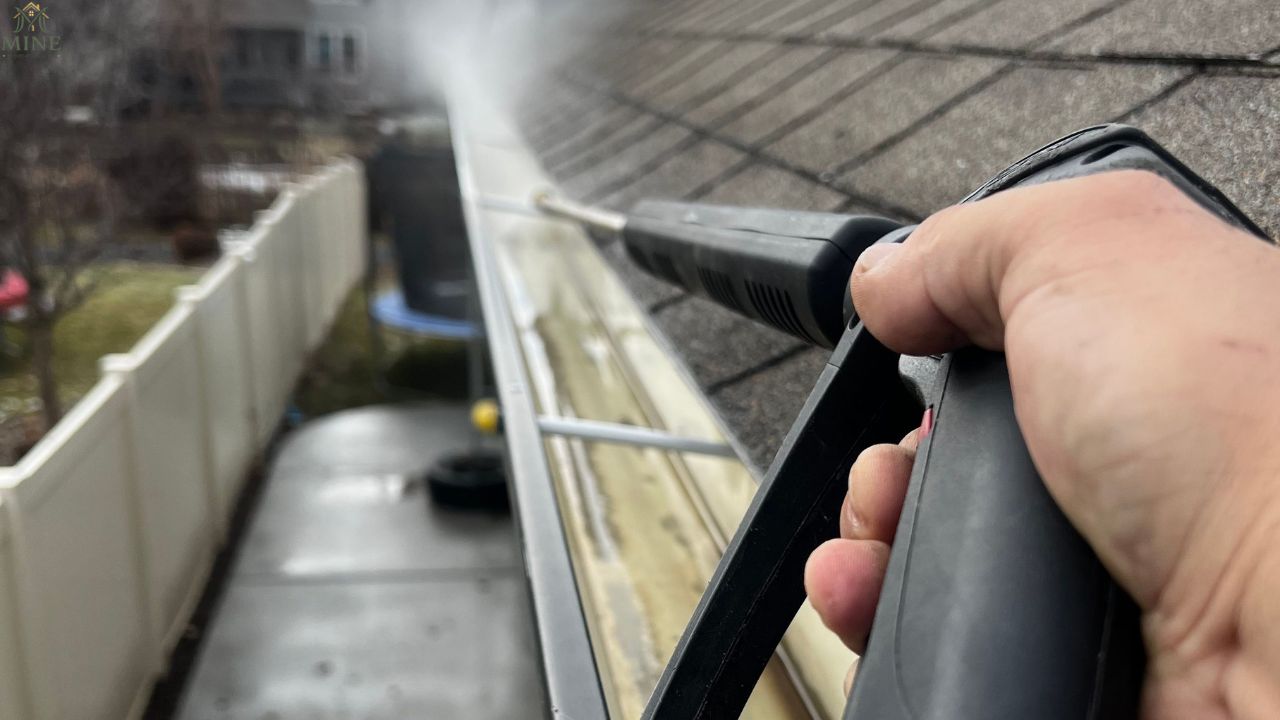
- Cleaning gutters (with the proper attachment)
- Preparing surfaces before painting
Understanding where a pressure washer works best helps you get maximum value from your equipment.
How to Operate a Power Washer Efficiently
If you’ve mastered the basics, the next step is learning how to operate a power washer more efficiently.
Professional cleaners focus on consistency rather than speed.
Maintain Proper Spray Angles
Keep the nozzle at approximately a 45-degree angle when possible. This lifts dirt away instead of forcing it deeper into the surface.
Control Your Movement
Whether you’re learning how to work a power washer or improving your technique, avoid quick side-to-side movements. Smooth, controlled passes produce the most even finish.
Adjust Pressure as Needed
Different surfaces require different cleaning strengths. If you’re unsure how to pressure washer safely, always begin with the lowest pressure setting and increase only if necessary.
Many beginners ask how do you use a power washer effectively. The answer is simple: let water flow and detergent do the work rather than relying on excessive pressure.
Using a Pressure Washer on Different Surfaces
Every surface responds differently to water pressure. Knowing how to use a pressure washer appropriately prevents accidental damage while improving cleaning results.
Wood Decks
Use moderate pressure with a wide-angle nozzle.
Spray in the direction of the wood grain.
Concrete Driveways
Concrete can withstand higher pressure, making it ideal for removing oil stains, dirt, and moss.
Brick Walls
Brick is durable, but old mortar joints can weaken over time. Maintain a safe distance and avoid directing high-pressure water into damaged mortar.
Vinyl Siding
Use gentle pressure and avoid spraying upward beneath the siding panels.
Outdoor Furniture
Plastic and metal furniture usually require only light pressure.
Wood furniture should be cleaned carefully to avoid surface damage.
These recommendations form the foundation of pressure washing basics and help achieve professional-looking results.
How Does a Power Washer Work?
Many homeowners wonder how does a power washer work differently from a standard hose.
A power washer uses:
- A water source
- A high-pressure pump
- Specialized spray nozzles
Some models also heat the water, making them especially effective for grease and oil removal.
If you’re asking how a pressure washer works, the pump is the key component. It compresses incoming water and forces it through a narrow nozzle, dramatically increasing cleaning power.
This combination of pressure and water flow makes power wash cleaning significantly faster than traditional scrubbing.
How to Use a Jet Wash
In some regions, people refer to a pressure washer as a jet wash.
Learning how to use a jet wash follows the same basic principles:
- Connect the water supply.
- Attach the pressure hose.
- Install the correct nozzle.
- Turn on the water.
- Start the machine.
- Test spray pressure.
- Begin cleaning with slow, overlapping passes.
Regardless of the terminology, safe operation remains the priority.
Pressure Washing Tips and Tricks
Professionals rely on experience, but a few simple pressure washing tips and tricks can make a noticeable difference for homeowners.
- Pre-soak heavily soiled areas.
- Remove loose debris before washing.
- Avoid windy days.
- Work in the shade whenever possible.
- Flush detergent from the system after use.
- Replace worn nozzles.
- Store hoses without tight bends.
- Clean the filter regularly.
These practical habits improve cleaning quality and reduce equipment wear.
Frequently Asked Questions
How do you use a pressure washer safely?
Wear protective equipment, inspect the machine before use, connect the water supply first, begin with low pressure, and maintain a safe distance from the cleaning surface.
Can pressure washing damage a house?
Yes. Excessive pressure or incorrect spray angles can damage paint, wood, siding, windows, and mortar. Always choose the appropriate pressure for the material.
Is power washing better than pressure washing?
Not necessarily. Power washing uses heated water, making it better for grease and oil, while pressure washing is suitable for most residential cleaning tasks.
How often should I pressure wash my home?
Most homes benefit from exterior cleaning once every 12–24 months, depending on climate, surrounding vegetation, and local pollution levels.
Can I pressure wash a patio?
Yes. Learning how to pressure wash a patio correctly helps remove dirt, algae, mildew, and stains while restoring the appearance of concrete or stone surfaces.
Final Thoughts
A clean exterior not only improves your home’s appearance but also helps protect surfaces from long-term damage caused by dirt, mold, algae, and environmental buildup. By following this washing guide livpristwash, you can confidently tackle everything from patios and driveways to siding and outdoor furniture using safe, effective techniques.
Whether you’re just beginning to learn how to use pressure washer equipment or refining your pressure washing skills after years of experience, success comes from choosing the correct pressure, using the right nozzle, and working patiently. Regular maintenance, proper setup, and thoughtful cleaning methods ensure your equipment lasts longer while delivering consistently impressive results.
With the knowledge you’ve gained in this guide, you’ll be well prepared to complete future power washing and pressure washing projects safely, efficiently, and with professional-quality results—keeping your home cleaner, more attractive, and better protected throughout the year.