
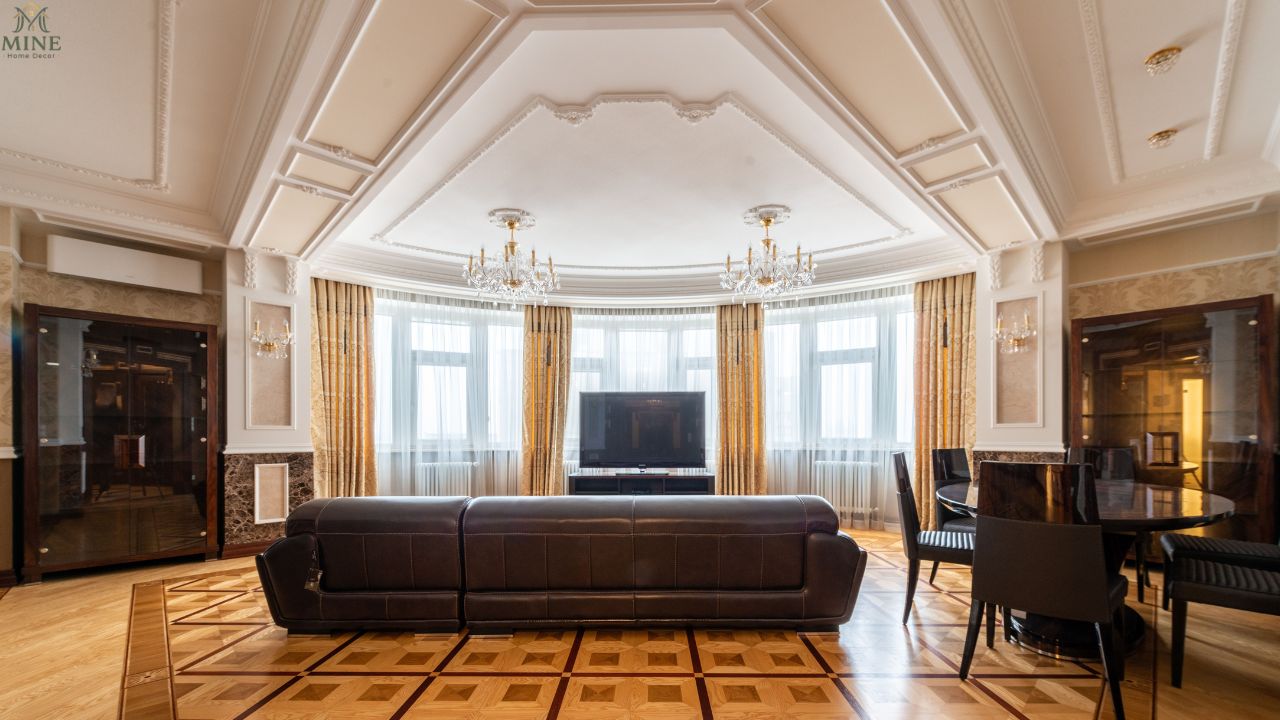
Have you ever walked into a room that felt brighter, taller, or more inviting without immediately knowing why? In many cases, the answer is overhead. Choosing what color to paint ceiling is one of the most overlooked design decisions, yet it can dramatically change how a space looks and feels.
While most homeowners automatically reach for flat white paint, today’s interior design trends prove there’s no one-size-fits-all solution. The right ceiling color can make a room feel more spacious, create a cozy atmosphere, highlight architectural details, or even become the room’s most striking feature. Whether you’re renovating your home or simply refreshing a single room, understanding your options will help you make a confident choice.
This comprehensive guide explains everything you need to know—from traditional white ceilings to bold, modern colors. You’ll learn how ceiling colors affect light, room size, and overall style, plus discover expert recommendations for every room in your home.
Why Ceiling Color Matters More Than Most People Think
Many people spend weeks selecting the perfect wall color while giving the ceiling little thought. However, the ceiling covers a large surface area and significantly influences how a room feels.
A carefully selected ceiling color can:
- Make a room appear taller or lower.
- Reflect or absorb natural light.
- Create visual harmony with the walls.
- Emphasize architectural features.
- Improve the overall mood of a room.
Professional interior designers often call the ceiling the “fifth wall” because it deserves just as much attention as the other four.
The Psychology Behind Ceiling Colors
The color above your head subtly influences how a room feels.
- Light ceilings create openness and airiness.
- Dark ceilings introduce warmth and intimacy.
- Colored ceilings add personality and visual interest.
- Matching ceilings create seamless flow.
- Contrasting ceilings become statement features.
Even a slight variation from standard white can completely transform the character of a room.
What Color to Paint Ceiling: Understanding the Basics
Before choosing a paint color, it’s important to understand how ceilings interact with walls, flooring, lighting, and furniture.
The ceiling naturally catches both natural and artificial light differently than walls. Because of this, the exact same paint color often appears lighter when applied overhead.
When deciding what color to paint ceiling, consider these important factors:
Room Size
Small rooms often benefit from lighter ceilings that visually expand the space.
Larger rooms can comfortably accommodate darker shades without feeling cramped.
Ceiling Height
Higher ceilings provide greater flexibility for experimenting with deeper colors.
Lower ceilings usually appear taller with lighter finishes.
Natural Lighting
Rooms flooded with sunlight allow for a wider variety of ceiling colors.
Dim rooms generally look brighter with highly reflective light colors.
Overall Design Style
Your ceiling should support the overall design of your home rather than compete with it.
For example:
- Modern homes often feature crisp white or black ceilings.
- Farmhouse interiors lean toward warm whites.
- Traditional homes favor timeless neutral ceilings.
- Contemporary spaces frequently embrace bold painted ceilings.
Understanding the Most Popular Ceiling Paint Choices
While there are endless possibilities, some ceiling colors consistently outperform others because they’re versatile, timeless, and easy to coordinate.
Best Ceiling Paint Color Options
When homeowners ask professionals for the best ceiling paint color, these options are recommended most often:
- Pure white
- Warm white
- Soft ivory
- Light gray
- Greige
- Pale blue
- Soft beige
Each creates a different mood while remaining flexible enough to work with various decorating styles.
What Color Is Ceiling Paint?
One common misconception is that ceiling paint only comes in white.
In reality, what color is ceiling paint depends entirely on the manufacturer and the homeowner’s preference. Although standard ceiling paint is typically a flat white designed to minimize glare and hide imperfections, modern paint collections include dozens of shades specifically formulated for ceilings.
These range from cool whites and creamy neutrals to sophisticated grays and even dramatic charcoal tones.
Typical Ceiling Paint Color
The typical ceiling paint color found in many homes is a flat bright white.
This became popular because white:
- Reflects maximum light.
- Makes ceilings appear higher.
- Coordinates with nearly every wall color.
- Hides surface imperfections better than glossier finishes.
- Creates a clean, timeless appearance.
Although white remains the classic choice, homeowners today are increasingly exploring warmer alternatives for a softer, more inviting look.
Should Every Ceiling Be White?
For decades, white ceilings dominated residential design. While they’re still an excellent option, they’re no longer the only “correct” choice.
Today’s designers often recommend selecting ceiling colors based on the specific room rather than following a single rule throughout the house.
There are situations where white remains ideal:
- Small bathrooms
- Hallways
- Laundry rooms
- Low ceilings
- Homes with limited natural light
However, dining rooms, bedrooms, home offices, libraries, and media rooms often benefit from richer or warmer ceiling colors.
This flexibility allows homeowners to create unique spaces while maintaining visual balance throughout the home.
How to Choose Ceiling Paint Based on Your Walls
One of the biggest questions homeowners ask is whether the ceiling should match the walls.
The answer depends on the effect you’re trying to achieve.
White Ceiling with Colored Walls
This remains the safest and most timeless option.
Benefits include:
- Creates visual contrast.
- Makes walls stand out.
- Keeps rooms feeling open.
- Reflects more light.
Matching Ceiling and Walls
Painting walls and ceilings the same color creates:
- A seamless appearance.
- Cozy, enveloping spaces.
- Fewer visual interruptions.
- Modern designer appeal.
This approach works particularly well with muted greens, warm grays, navy blues, and earthy neutrals.
Slightly Lighter Ceiling
Many professionals recommend choosing a ceiling color that’s about 20–50% lighter than the walls.
This subtle contrast creates depth while maintaining harmony.
The technique works especially well in living rooms, bedrooms, and open-concept homes.
Common Ceiling Color Mistakes to Avoid
Even expensive paint can disappoint if the wrong color is selected.
Some of the most common mistakes include:
- Choosing stark white in a room filled with warm finishes.
- Ignoring the room’s natural lighting.
- Using glossy paint that highlights imperfections.
- Forgetting to test paint samples overhead.
- Matching the ceiling to the trim without considering the walls.
- Selecting trendy colors without considering long-term appeal.
Avoiding these mistakes will save time, money, and frustration while ensuring your ceiling complements the rest of your home.
Room-by-Room Guide: What Color to Paint Ceiling
There isn’t a universal ceiling color that works perfectly in every room. The best choice depends on the room’s purpose, lighting, ceiling height, and the atmosphere you want to create. Understanding these factors makes deciding what color to paint ceiling much easier.
Let’s explore the best ceiling colors for every major space in your home.
Living Room
The living room is where families gather and guests spend the most time, so the ceiling should complement the entire design.
Excellent choices include:
- Crisp white for a timeless appearance
- Warm white for cozy interiors
- Soft greige for transitional homes
- Pale gray for modern spaces
- Light beige for traditional décor
If your living room has vaulted ceilings, exposed beams, or decorative molding, painting the ceiling a slightly warmer tone than pure white can highlight these architectural features beautifully.
Bedroom
Bedrooms should feel relaxing and peaceful.
Many designers recommend softer ceiling colors instead of bright white.
Popular options include:
- Soft ivory
- Pale blue
- Light gray
- Warm cream
- Muted sage
These colors create a calming environment without making the room feel smaller.
Kitchen
The kitchen often has bright lighting, reflective surfaces, and plenty of activity.
For most kitchens, the best color for ceiling is still white because it reflects light well and helps the space feel fresh and clean.
However, modern kitchens with darker cabinetry are increasingly embracing painted ceilings in warm gray or soft beige.
Some homeowners even choose bold colors for dramatic effect.
One growing trend is the kitchen with dark ceiling. While this design isn’t suitable for every home, it works exceptionally well when:
- The kitchen has high ceilings.
- Large windows provide abundant natural light.
- Cabinets are light-colored.
- The overall design is modern or industrial.
A charcoal or deep gray ceiling can add sophistication without overwhelming the space.
Should Your Ceiling Match Your Walls?
This is one of the most common decorating questions.
The answer depends entirely on the mood you’re trying to achieve.
Matching Colors
Using the same paint on both walls and ceiling creates:
- A cozy atmosphere
- Smooth visual transitions
- A luxurious designer look
- Fewer harsh lines
This technique works especially well in bedrooms, libraries, and home offices.
Contrasting Colors
Using different colors helps:
- Define architectural details
- Increase visual interest
- Make rooms appear taller
- Draw attention to decorative ceilings
Both approaches are correct—the best choice depends on your personal style.
Choosing the Best White Ceiling
White isn’t just white.
Paint manufacturers offer dozens of white shades with different undertones.
Finding the best white ceiling paint color means considering the room’s lighting and surrounding finishes.
Common white categories include:
Cool Whites
Ideal for:
- Contemporary homes
- Minimalist interiors
- North-facing rooms
- Gray wall colors
Warm Whites
Perfect for:
- Traditional homes
- Farmhouse interiors
- Beige walls
- Wood flooring
Neutral Whites
These balance warm and cool undertones, making them extremely versatile.
If you’re unsure, neutral whites are usually the safest option.
How to Choose Ceiling Paint Like a Professional
Professionals rarely select ceiling paint based solely on color swatches.
Instead, they evaluate the entire room.
When learning how to choose ceiling paint, consider these five factors:
1. Natural Light
Observe the room during:
- Morning
- Afternoon
- Evening
The same ceiling color can look completely different throughout the day.
2. Artificial Lighting
Warm LED lighting softens ceiling colors.
Cool white lighting makes colors appear brighter.
3. Ceiling Height
Lower ceilings generally benefit from lighter shades.
Higher ceilings can handle darker, richer colors.
4. Wall Color
The ceiling should complement—not fight against—the walls.
Testing large paint samples beside your wall color helps prevent surprises.
5. Room Function
Ask yourself:
- Should the room feel energetic?
- Calm?
- Spacious?
- Cozy?
The answer guides your ceiling color choice.
Modern Ceiling Color Trends
Interior design has evolved dramatically over the last decade.
Homeowners are moving beyond plain white ceilings and experimenting with subtle color.
Some of today’s most popular trends include:
- Soft greige ceilings
- Warm off-white ceilings
- Pale blue bedroom ceilings
- Earth-toned ceilings
- Matte charcoal ceilings
- Color-drenched rooms
- Wood-inspired painted ceilings
These trends create character while maintaining timeless appeal.
Bold Ceilings That Actually Work
Painting a ceiling a bold color may sound intimidating, but when done correctly, it can become the highlight of a room.
Black Ceiling with White Walls
One of today’s most striking design trends is the black ceiling with white walls.
This dramatic combination works surprisingly well because the strong contrast creates architectural interest while maintaining balance.
It works best in:
- Dining rooms
- Home theaters
- Modern living rooms
- Loft apartments
- Offices with high ceilings
A matte black finish prevents excessive glare and gives the ceiling a refined appearance.
The key is ensuring the room has enough natural or artificial lighting to keep the space from feeling too dark.
Ceiling Paint Finish Matters Too
Color isn’t the only decision you’ll make.
Paint sheen also affects the final appearance.
Most professionals recommend:
Flat Finish
The most popular choice because it:
- Hides imperfections
- Reduces glare
- Creates a smooth finish
- Looks clean and elegant
Matte Finish
Similar to flat but slightly more washable.
Ideal for:
- Living rooms
- Bedrooms
- Dining rooms
Satin Finish
Occasionally used in:
- Bathrooms
- Kitchens
- Laundry rooms
Only when additional moisture resistance is needed.
Glossy finishes are generally avoided because they highlight every ceiling imperfection.
Expert Tips for Painting Ceilings Successfully
Even the perfect color won’t look its best without proper application.
Professional painters recommend:
- Paint the ceiling before the walls.
- Use premium ceiling-specific paint.
- Apply two thin coats instead of one thick coat.
- Maintain a wet edge while rolling.
- Paint during daylight whenever possible.
- Use extension poles for consistent pressure.
- Allow adequate drying time between coats.
- Always test large samples before committing.
These simple techniques produce a cleaner, more professional finish that lasts for years.
Designer Recommendations for Every Style
If you’re still unsure, here are dependable combinations designers frequently recommend.
Modern Homes
- Bright white ceilings
- Light gray ceilings
- Soft greige ceilings
Farmhouse Style
- Warm white
- Cream
- Soft ivory
Coastal Homes
- Pale blue
- Soft white
- Light sand tones
Traditional Interiors
- Warm neutral ceilings
- Ivory
- Light beige
Contemporary Spaces
- Charcoal ceilings
- Greige
- Matte black accents
- Crisp white for minimalist designs
These combinations remain stylish regardless of changing design trends and create a cohesive look throughout the home.
Frequently Asked Questions
What color should I paint my ceiling?
The answer depends on your room’s size, lighting, and style. For most homes, white or off-white remains a timeless choice because it reflects light and creates an open feel. If you’re wondering what color should i paint my ceiling, consider matching the ceiling to your walls for a cozy look or choosing a shade slightly lighter than the walls for a balanced, spacious appearance.
What color should ceilings be in most homes?
Traditionally, ceilings are painted flat white because it brightens rooms and pairs well with almost every wall color. However, soft creams, warm whites, light grays, and pale blues have become increasingly popular. If you’re asking what color should ceilings be, there is no strict rule—the right choice depends on the mood you want to create.
What color are ceilings usually painted?
The what color are ceilings usually painted question has a simple answer: most ceilings are painted flat white or an off-white shade. These colors maximize light reflection, hide imperfections, and provide a clean, timeless finish that works in nearly every room.
Can I paint my ceiling the same color as the walls?
Absolutely. This technique has become one of the biggest interior design trends in recent years. Using the same color on both walls and ceiling creates a seamless, sophisticated look while making the room feel cozy and intentional. It’s especially effective in bedrooms, libraries, and dining rooms.
What is the best paint finish for ceilings?
For most rooms, a flat finish is the preferred option because it conceals imperfections and minimizes glare. Matte paint is another excellent choice, especially if you want slightly improved durability. Satin finishes are generally reserved for moisture-prone areas such as kitchens and bathrooms.
Should ceilings always be lighter than walls?
Not necessarily. While lighter ceilings create the illusion of height, darker ceilings can make large rooms feel warmer and more intimate. The best approach depends on ceiling height, natural light, and the overall design style of your home.
What color paint for ceiling works in small rooms?
If you’re choosing what color paint for ceiling in a compact room, light colors such as white, warm white, soft cream, or pale gray are excellent choices. These shades reflect more light and make the room appear larger and more open.
Can dark ceilings make a room look smaller?
Dark ceilings can visually lower a ceiling, creating a cozy atmosphere rather than making a room feel cramped. In rooms with high ceilings or abundant natural light, darker colors often add elegance and depth instead of reducing the perceived size of the space.
Final Thoughts
Deciding what color to paint ceiling is about more than following tradition—it’s about creating a space that reflects your personal style while enhancing the way each room looks and feels. Although classic white ceilings remain a safe and beautiful option, today’s homeowners have far more flexibility than ever before.
Whether you prefer a bright white ceiling that opens up a room, a warm neutral that creates a welcoming atmosphere, or a bold statement color that adds personality, the key is choosing a shade that complements your walls, lighting, flooring, and furnishings. Always test paint samples under different lighting conditions before making your final decision, and remember that ceilings deserve the same thoughtful attention as every other surface in your home.
With the ideas and expert guidance in this article, you can confidently select a ceiling color that enhances your home’s character, improves visual balance, and stands the test of time.