
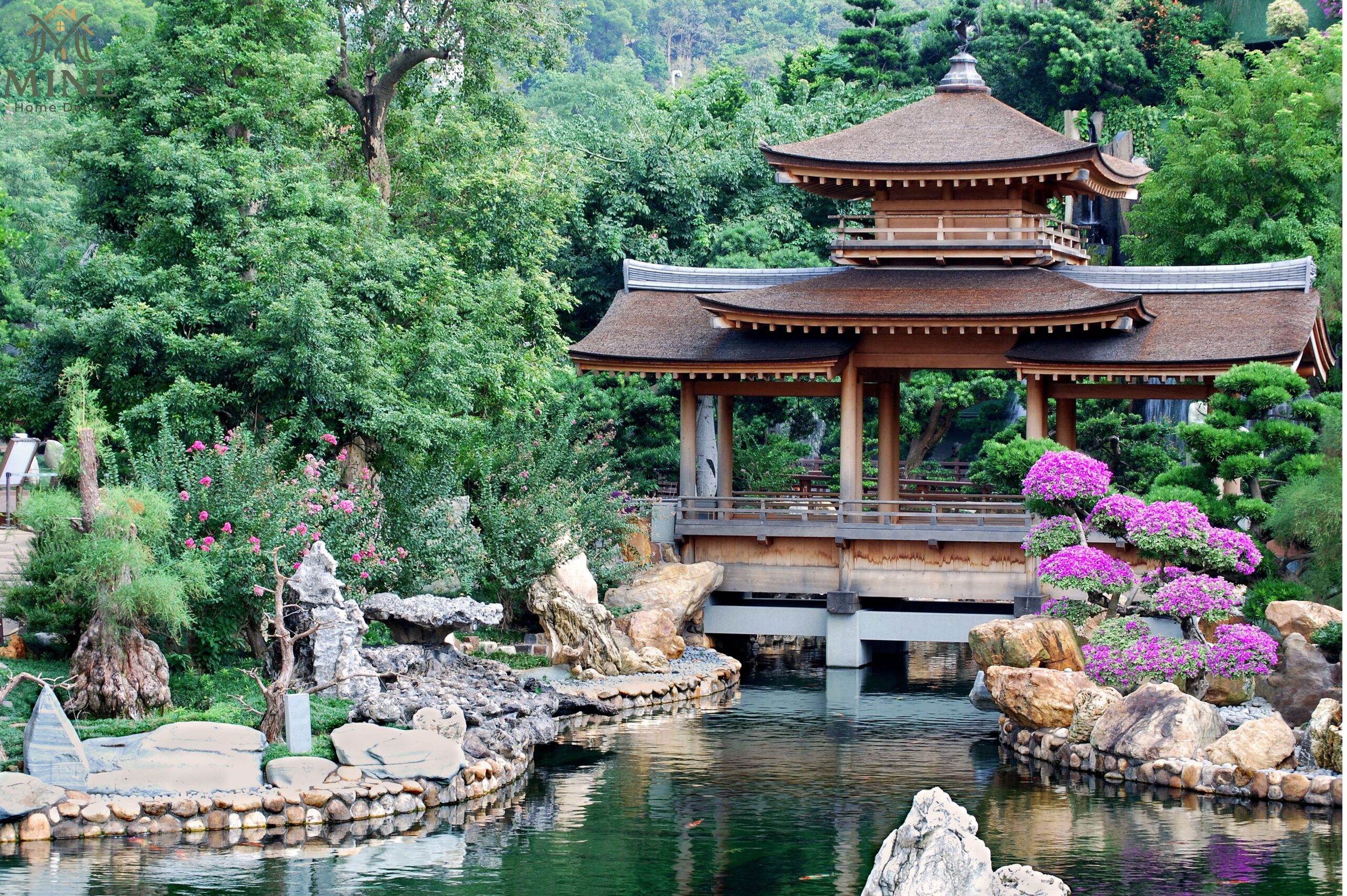
Not surface‑level inspiration. Not generic landscaping fluff. This is deep, layered, practical insight for anyone interested in bringing the design, meaning, and aesthetic logic of Chinese gardens into their backyard, patio, courtyard, or living space.
Chinese gardens are not just about pretty plants — they are about narrative, harmony, symbolic design, human experience, and visual sequence. That’s why traditional Chinese gardens feel like wandering through a story — every element has purpose and meaning.
Where Chinese Gardens Come From — A Quick Orientation
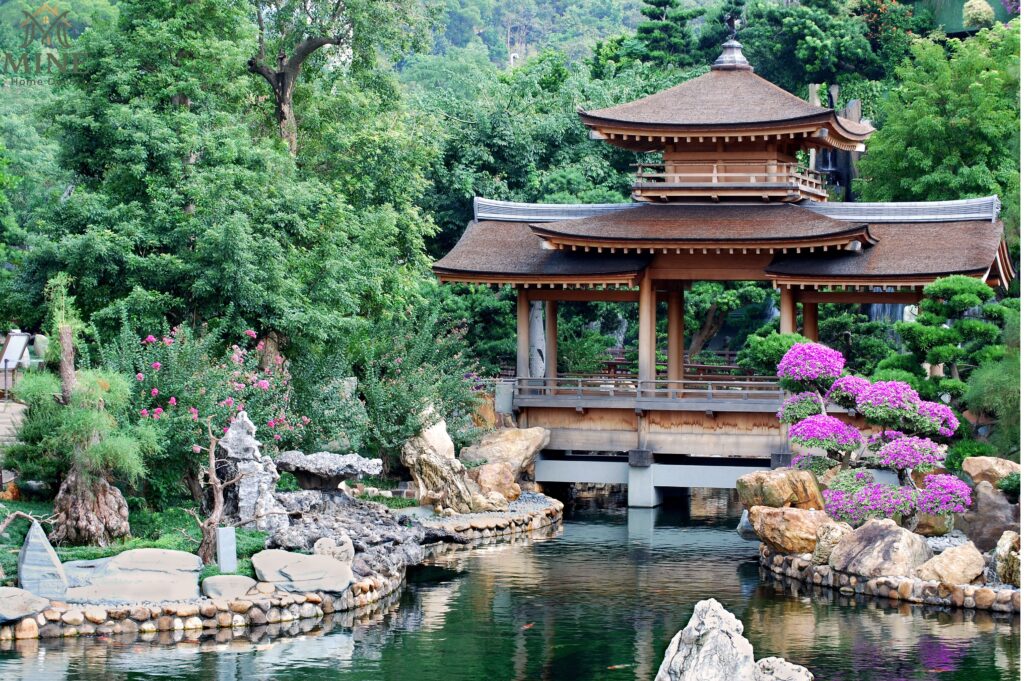
Traditionally, Chinese gardens are landscape microcosms — crafted to represent mountains, rivers, forests, and the sky in a single unified space. Real stone suggests towering peaks; water mirrors sky and light; plants bring seasonal character and cultural meaning; pathways unfold views gradually.
Most classical gardens (like Suzhou gardens) use:
- Water, rocks, plants & architecture are the four anchors of design
- Walls and pavilions to frame views, not block them
- Seasonal plants chosen for symbolic meaning
- Curved paths that invite discovery rather than linear sightseeing
This design approach is rooted in philosophies of harmony, spatial balance, and visual storytelling — not merely planting flowers.
The Core Elements You Need to Know
Whether you’re designing a full backyard garden or choosing accent decor for a patio, these foundational elements are where authenticity and meaning come from.
1) Rockery — The “Bones” of the Garden
Rocks in Chinese gardens aren’t edging stones — they’re focal sculptures representing mountains and strength. Scholars’ rocks with natural, porous shapes bring texture and narrative depth into the landscape.
In a backyard context:
- Use vertical stones or small clusters as anchors
- Mix stone sizes for contrast
- Avoid overly smooth “Western” pebbles in favor of more textural, weathered stone
Why this matters: Rockwork sets pace and rhythm for the viewer’s eye — and gives even a small outdoor space visual weight and sophistication.
2) Water — The Reflective Heart
Water isn’t a decoration — it’s yin energy in Chinese aesthetics — offering reflection, sound, and life. Native ponds, streams, or shallow reflective pools all add sensory richness.
Tips for water elements in US backyard design:
- Choose irregular, organic forms over geometric shapes
- Place stones partially immersed to mimic natural edges
- Add koi or aquatic plants where feasible
Small space idea: A sunken basin with floating lotus or water lilies offers movement and reflection without large excavation.
3) Plants & Symbolic Flora
Chinese gardens use plants not just for beauty — they use them for storytelling. For example:
- Pine symbolizes endurance
- Lotus represents purity
- Bamboo signifies flexibility and resilience
- Plum blossoms evoke renewal and resilience in winter
The plant palette isn’t about filling every inch — it’s about careful selection and seasonal change.
4) Architecture & Framing
Chinese gardens use pavilions, moon gates, lattice screens, and curved corridors to control views — not to isolate them. A moon gate doesn’t enclose a space; it frames the next view.
Applied to home spaces, you can interpret this by:
- Adding decorative screens or trellises
- Using curved paths or walkways
- Creating layered focal points rather than open panoramic views
Layered Design Insight — How To Think Like a Chinese Garden Designer
There is a method behind the scenes:
■ Take nothing at face value
Paths do not go directly from A to B — they lead you through discoveries.
■ Balance yin and yang
Water vs rock, open grass vs dense planting, shadows vs light — each contrast creates rhythm.
■ Borrowed scenery
Chinese gardens intentionally incorporate what’s outside the garden walls — distant trees, skyline, the garden next door — into the chamber of the garden view.
This technique isn’t obvious at first glance; you feel it as you walk or view the space.
Applying Chinese Garden Logic to Home Decor & Outdoor Living
This is where many “garden design” articles fail—they drop a few images and forget how the space is meant to function and feel. But if you want a space that feels intentional rather than ornamental, here’s how to think about it:
🟢 Outdoor Living Areas
- Use stones and water features as seating anchors or conversation zones
- Sit garden elements around a terrace rather than having the terrace dominate the garden
🟢 Patio Gardens
- Use symbolic plants in containers to create vertical stories
- Place screens or lattice instead of fences to frame views
🟢 Courtyard Sanctuaries
- Enclose intimate spaces with plants and stones
- Add a focal water feature or sculpture for the ceremony and balance
In each case, you want movement and narrative, not a static display.
Practical Examples (Real, Not Generic)
Here are a few combinations that work well in a US patio/backyard context:
🔹 Bamboo stand + reflective basin + stone lantern
Creates serene vertical contrast and sound.
🔹 Moon gate entrance + walkway stones + low seasonal planting
Shapes experience as people move through space.
🔹 Water basin with floating lotus + layered shrubs
Engages both sight and sound.
These are not random ideas — they come from the organizing logic that has guided Chinese gardens for centuries.
Common Mistakes to Avoid
You can tell when a garden is merely decorative because:
❌ Rocks are just edging
❌ Water looks like a swimming pool
❌ Plant choices are ornamental without meaning
❌ Paths go straight without surprise
Instead, aim for layers, context, and intentional placement.