
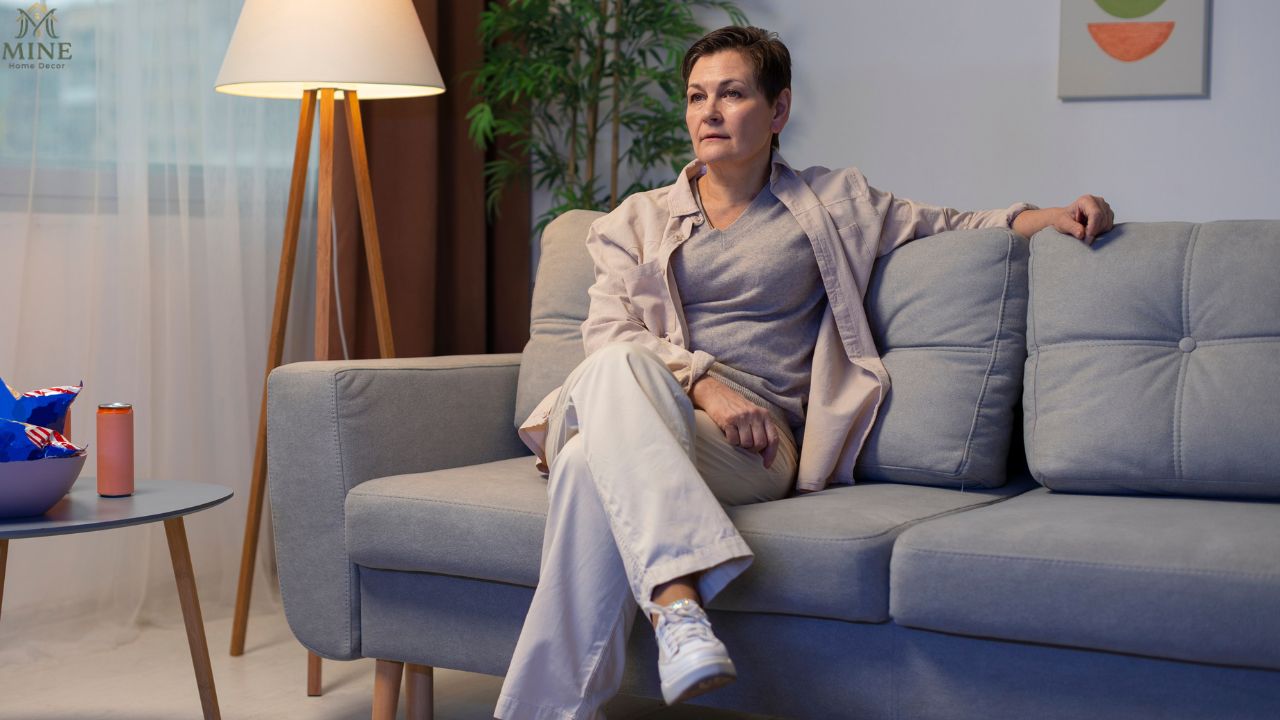
Have you ever walked into a room and instantly felt calm… like your shoulders dropped and your mind slowed down a little? That feeling is not random. It is design. And more specifically, it is what people now call contemporary-comfort.
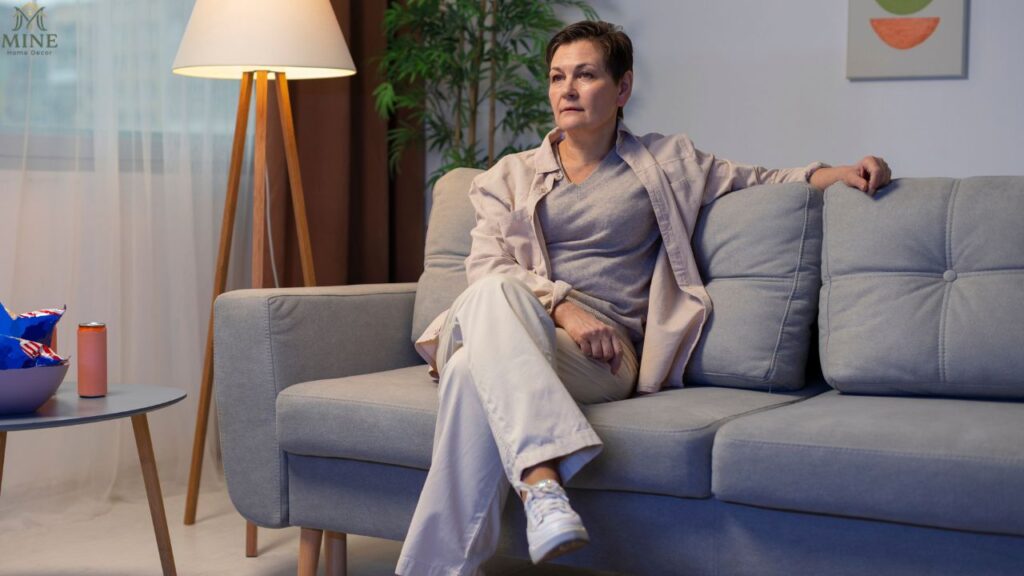
Let’s be honest. Homes today are not just places to live anymore. They are places to relax, work, eat, scroll, dream, and sometimes even escape the noise of life. Because of this, people are no longer satisfied with spaces that only look “modern” but feel cold or empty.
This is exactly where contemporary-comfort is changing everything.
The shift from “just modern” to “feels like home”
A few years ago, interior design was all about sharp edges, white walls, and furniture that looked almost too perfect to sit on. It was stylish, yes—but not always warm.
But now, things are different.
People want homes that feel human. Soft. Welcoming. Real. That’s why contemporary-comfort has become a powerful idea in modern living. It mixes clean modern design with warmth and coziness, so your home doesn’t just look good—it feels good too.
In simple words, contemporary-comfort is the balance between “wow, this looks amazing” and “I never want to leave this sofa.”
And that balance is exactly what makes it so popular today.
Why everyone is talking about contemporary comfort
The world is moving fast. Work, stress, screens, deadlines—it all adds up. So when people come home, they don’t want another stressful environment.
They want peace.
They want softness.
They want breathing space.
That is why contemporary-comfort is not just a design trend—it is a lifestyle change. It reflects how people want to live now: simple, calm, and emotionally relaxing.
Think about it like this:
- A hard, empty room feels like a waiting area.
- A warm, soft room feels like a hug.
Most people today choose the second option, and that’s exactly what contemporary-comfort delivers.
What makes contemporary comfort so different?
At first glance, you might think it is just “modern design with soft furniture.” But it is deeper than that.
Let’s break it down in a very simple way.
1. It feels lived-in, not staged
A home built on contemporary-comfort doesn’t look like a showroom. It looks like people actually live there—watching movies, laughing, resting, and enjoying life.
2. It balances beauty and ease
Some designs look beautiful but are uncomfortable. Others are comfortable but not visually appealing. Contemporary-comfort brings both together so you don’t have to choose.
3. It uses calm colors and soft textures
Instead of loud colors or harsh contrasts, contemporary-comfort uses gentle tones like beige, cream, soft grey, and warm earth shades. These colors naturally relax the eyes and mind.
4. It makes space feel emotionally safe
This is something most people don’t notice at first, but they feel it. A contemporary-comfort space feels safe, like you can truly relax without thinking about anything else.
And that emotional safety is the real magic.
The emotional side of design (this is important)
Let’s talk about something most articles forget.
Design is not just visual. It is emotional.
A space can make you feel:
- calm
- stressed
- energized
- overwhelmed
- or completely relaxed
And contemporary-comfort focuses deeply on one thing: emotional comfort.
When you walk into a room designed with contemporary-comfort, your brain doesn’t feel “alert.” Instead, it feels “at ease.”
That is why people say things like:
- “I feel lighter here.”
- “I can breathe in this room.”
- “I don’t want to leave this place.”
That emotional response is not luck. It is intentional design.
Why contemporary comfort is replacing strict minimalism
Minimalism used to be very popular. But there was a problem—it often felt too empty or too cold.
A room with nothing in it looks clean, but not always welcoming.
This is where contemporary-comfort steps in and improves everything.
It keeps the clean look of minimalism but adds:
- soft cushions
- warm lighting
- layered textures
- natural materials
- and personal touches
So instead of a “museum-like” room, you get a “liveable” room.
That is why designers today are shifting heavily toward contemporary-comfort instead of strict minimalism.
How contemporary comfort fits real life today
Let’s imagine your daily routine.
You wake up.
You work.
You deal with stress.
You scroll on your phone.
You come home tired.
Now ask yourself:
Would you rather enter a cold, empty space… or a warm, soft, inviting one?
Most people naturally choose contemporary-comfort because it supports real life.
It understands that homes are not just for show—they are for living.
That is why families, young professionals, and even luxury designers are all adopting contemporary-comfort principles.
It works for everyone.
The 3 feelings every contemporary comfort home creates
Every well-designed contemporary-comfort space creates three main feelings:
1. Calmness
The moment you enter, your mind slows down. No pressure. No noise. Just peace.
2. Warmth
Not just temperature-wise, but emotionally. The room feels welcoming and kind.
3. Belonging
You feel like the space belongs to you—not like you are visiting someone else’s perfect setup.
These three emotions are the core of contemporary-comfort.
Without them, the design is incomplete.
Real-life examples you can imagine easily
Think about a living room with:
- a soft beige sofa
- warm yellow lighting
- a wooden coffee table
- light curtains moving with the air
That is contemporary-comfort in action.
Now compare that to:
- bright white walls
- stiff chairs
- sharp lighting
- empty surfaces
Both are modern. But only one feels like home.
That difference is exactly why contemporary-comfort is becoming so powerful in modern homes.
Why designers love this concept
Interior designers are also embracing contemporary-comfort because it gives them creative freedom.
They are no longer forced to choose between:
- beauty OR comfort
- style OR usability
Now they can combine both.
This makes their work more meaningful because they are not just designing rooms—they are designing experiences.
And every experience built on contemporary-comfort feels more human.
The future of home design is emotional
If we look ahead, one thing is clear:
Homes will not just be judged by how they look—but by how they make people feel.
And contemporary-comfort is leading that future.
Because it is not just a design style.
It is not just a trend.
It is a response to how people actually live today.
More stress means more need for calm spaces.
More technology means more need for warmth.
More speed means more need for comfort.
And all of that comes together in contemporary-comfort.
Final thoughts
At the heart of everything, contemporary-comfort is simple.
It is about making your home feel like a place where you can finally relax, breathe, and just be yourself.
Not perfect.
Not staged.
Not uncomfortable.
Just real.
And that is why contemporary-comfort is not going away anytime soon—it is becoming the new normal in how we design and experience homes.