
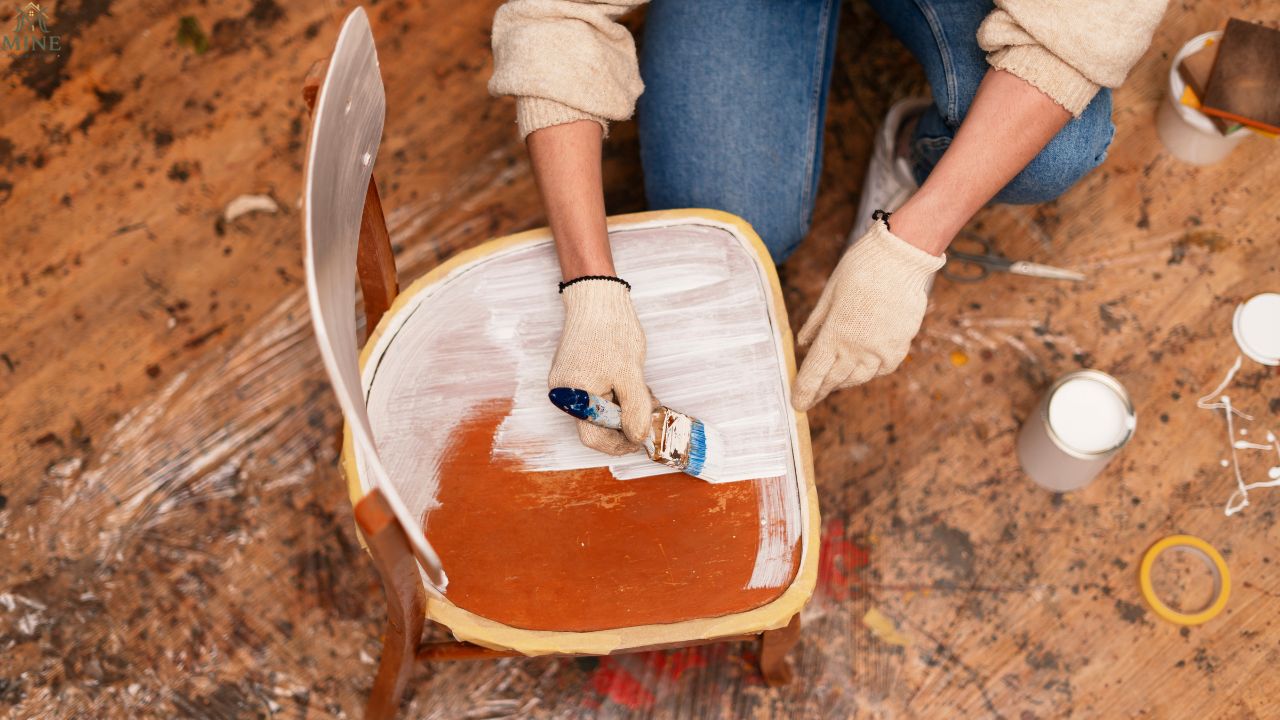
Have you ever looked at an old dresser, table, or bookcase and wished you could completely transform it without spending hours sanding? The good news is that painting furniture without sanding has become easier than ever thanks to modern paints, primers, and preparation techniques.
Many people assume that every furniture makeover starts with clouds of dust and endless sanding. While sanding can still be useful in some situations, it is no longer always necessary. Today, homeowners, DIY enthusiasts, and furniture flippers regularly painting furniture without sanding and achieve beautiful, long-lasting finishes.
Whether you’re wondering can you paint furniture without sanding, searching for the best way to painting furniture without sanding, or looking for a complete guide on how to paint furniture without sanding, this article will walk you through every step.
Why More People Are Painting Furniture Without Sanding
The traditional method of furniture refinishing involved extensive sanding to remove old finishes and create a surface for paint adhesion. While effective, the process is time-consuming and messy.
Today, specialized products such as painting furniture without sanding, bonding primers, and self-leveling furniture paints allow homeowners to skip much of the hard work.
Benefits of Painting Without Sanding
- Saves time
- Creates less dust
- Requires fewer tools
- Perfect for beginners
- Ideal for apartment living
- Easier furniture makeovers
- Budget-friendly DIY projects
For many projects, painting furniture without sanding can deliver professional-looking results with a fraction of the effort.
Can You Paint Furniture Without Sanding?
One of the most common questions is: can you paint furniture without sanding?
The answer is yes—in many cases.
You can successfully paint:
- Dressers
- Tables
- Nightstands
- Bed frames
- Bookcases
- Wooden chairs
- Cabinets
- Painted furniture
- Laminate furniture
- Veneer furniture
However, proper cleaning and preparation remain essential.
Understanding When Sanding Can Be Skipped
Before starting any furniture makeover, determine the current condition of the piece.
Good Candidates for No-Sanding Methods
You can usually paint wood furniture without sanding when:
- The surface is structurally sound
- Existing finish is not peeling
- Furniture is only lightly scratched
- Paint is in good condition
- Surface is clean and grease-free
Situations Where Light Sanding May Help
Although many products advertise painting furniture without sanding or priming, some furniture pieces may still benefit from a quick scuff sand.
Examples include:
- Peeling paint
- Severe water damage
- Deep scratches
- Heavy polyurethane buildup
- Chipped finishes
How to Paint Furniture Without Sanding
If you’re wondering how to paint furniture without sanding, follow this proven process.
Step 1: Thoroughly Clean the Furniture
Cleaning is the most important preparation step.
Use:
- Degreaser
- Mild soap and water
- TSP substitute cleaner
- Microfiber cloth
Dirt, oils, and furniture polish residues can prevent paint from bonding correctly.
Step 2: Repair Minor Damage
Before painting, fill:
- Nail holes
- Small dents
- Surface imperfections
Allow fillers to dry completely before proceeding.
Step 3: Choose the Right Paint
The success of painting furniture without sanding largely depends on the paint.
Popular options include:
Chalk Paint
One of the easiest choices for beginners.
Benefits:
- Excellent adhesion
- Minimal prep
- Matte finish
- Great for vintage looks
Mineral Paint
A favorite among furniture artists because it adheres well and often requires little preparation.
Acrylic Furniture Paint
Durable and widely available.
Excellent for:
- Dressers
- Tables
- Desks
- Bedroom furniture
All-in-One Paint
Many brands now market products as painting furniture without sanding.
These products combine:
- Primer
- Paint
- Sealer
in one formula.
Best Paint for Wood Furniture Without Sanding
When choosing the best paint for wood furniture without sanding, look for:
- Strong adhesion
- Scratch resistance
- Self-leveling properties
- Easy cleanup
- Durable finish
The best options typically include:
- Chalk paint
- Mineral paint
- Acrylic furniture paint
- All-in-one furniture paint
- Hybrid enamel furniture paint
These products are especially useful for anyone learning how to repaint furniture without extensive preparation.
How to Paint a Dresser Without Sanding
Many readers specifically ask how to paint a dresser without sanding because dressers are among the most popular furniture makeover projects.
Step-by-Step Dresser Transformation
- Remove hardware.
- Clean thoroughly.
- Repair dents and scratches.
- Prime if necessary.
- Apply thin paint coats.
- Allow proper drying time.
- Seal if needed.
- Reattach hardware.
If you’re asking can you paint a dresser without sanding, the answer is absolutely yes when the dresser surface is clean and stable.
The best way to paint a dresser is using thin, even coats rather than one thick coat. This creates a smoother finish and reduces brush marks.
Many DIY enthusiasts successfully paint a dresser without sanding using chalk paint or all-in-one furniture paint.
How to Paint Glossy Furniture Without Sanding
One of the biggest concerns homeowners have is how to paint glossy furniture without sanding. Glossy surfaces are often sealed with polyurethane, lacquer, or another protective coating that can make paint adhesion more challenging.
Fortunately, modern bonding primers and specialty paints make the process much easier.
Clean the Surface Thoroughly
Glossy furniture tends to collect:
- Furniture polish
- Oils from hands
- Dust
- Wax buildup
Use a degreasing cleaner and allow the surface to dry completely.
Use a Bonding Primer
If you’re learning painting furniture without sanding or priming, keep in mind that some glossy pieces may still benefit from a bonding primer.
A quality primer for furniture without sanding helps paint grip slick surfaces and improves durability.
Apply Thin Coats
The secret to success when learning how to paint glossy furniture without sanding is patience.
Several thin coats perform much better than one thick coat.
How to Repaint Furniture Without Sanding
Many people wonder how to painting furniture without sanding when dealing with previously painted furniture.
The process is surprisingly straightforward.
Evaluate Existing Paint
You can usually proceed if the old finish is:
- Well adhered
- Not peeling
- Not bubbling
- Structurally sound
If the existing paint is stable, repainting furniture without sanding is often successful.
Cleaning Matters More Than You Think
Before you repaint furniture, remove:
- Dust
- Grease
- Wax
- Cleaning product residue
Proper cleaning often determines whether the finish lasts for years.
Painting Over Painted Furniture Without Sanding
When painting over painted furniture without sanding, use paints designed for strong adhesion.
This method works especially well on:
- Nightstands
- Dressers
- Side tables
- Bookcases
- Entertainment centers
How to Paint Wood Furniture Without Sanding
Many DIYers search for how to paint wood furniture without sanding because solid wood furniture is expensive to replace.
The good news is that most wood furniture can be transformed successfully.
Can You Paint Wood Furniture Without Sanding?
Yes, in many situations, can you paint wood furniture without sanding is answered with a confident yes.
Proper preparation is more important than aggressive sanding.
What Paint to Use on Wood Furniture Without Sanding
If you’re asking what paint to use on wood furniture without sanding, consider:
- Chalk paint
- Mineral paint
- Acrylic furniture paint
- Cabinet paint
- All-in-one furniture paint
These products are specifically designed for excellent adhesion.
Paint Wood Without Sanding Successfully
To paint wood without sanding:
- Clean thoroughly.
- Repair imperfections.
- Prime if needed.
- Apply thin coats.
- Allow adequate cure time.
Following these steps helps create professional-looking painted wooden furniture.
How to Paint a Wooden Table Without Sanding
Tables receive significant daily use, making durability especially important.
Whether you’re learning how to paint a wooden table without sanding, how to paint a wood table without sanding, or how to paint a table without sanding, the process remains similar.
Step 1: Clean Thoroughly
Kitchen and dining tables often contain hidden grease and food residue.
Step 2: Prime if Necessary
A quality bonding primer improves durability.
Step 3: Use Durable Furniture Paint
The best paints for tables include:
- Acrylic enamel
- Cabinet paint
- Hybrid enamel
- Mineral paint
How to Paint a Kitchen Table Without Sanding
When learning how to paint a kitchen table without sanding, choose paints specifically designed for high-traffic surfaces.
Kitchen tables experience:
- Scratches
- Spills
- Frequent cleaning
Durability matters.
How to Paint a Dining Room Table Without Sanding
For anyone researching how to paint a dining room table without sanding, sealing the finish is often recommended for additional protection.
How to Paint a Desk Without Sanding
A desk makeover can completely refresh a workspace.
Paint Desk Preparation
Before you paint desk surfaces:
- Remove hardware
- Clean thoroughly
- Fill imperfections
- Protect nearby areas
How to Paint a Desk Without Sanding
The easiest approach is:
- Clean
- Prime if needed
- Paint
- Seal
This method works for office desks, student desks, and home workstations.
How to Paint a Bookcase Without Sanding
Bookcases often contain many corners and shelves, making sanding especially time-consuming.
Fortunately, how to paint a bookcase without sanding is one of the easiest furniture projects.
Recommended Process
- Remove shelves when possible
- Clean thoroughly
- Apply furniture paint
- Use a small roller for smooth results
The result is attractive painted furniture that looks professionally refinished.
How to Paint Wooden Chairs Without Sanding
Chairs contain many curves and detailed surfaces.
If you’re wondering how to paint wooden chairs without sanding, use:
- Small brushes
- Foam rollers
- Spray paint
Thin coats help prevent drips around spindle details.
How to Paint a Bed Frame Without Sanding
Bedroom furniture can be expensive to replace.
Learning how to paint a bed frame without sanding allows homeowners to update their décor at minimal cost.
Best Practices
- Disassemble when possible
- Clean every surface
- Prime glossy areas
- Apply multiple thin coats
This approach is ideal when repainting wooden furniture or refreshing older bedroom sets.
How to Paint Bedroom Furniture Without Sanding
Many homeowners want to update an entire bedroom suite.
How Can I Paint My Bedroom Furniture Without Sanding?
The answer depends on the furniture material, but most projects follow the same process:
- Clean thoroughly.
- Repair damage.
- Prime if needed.
- Paint evenly.
- Protect the finish.
This works for:
- Dressers
- Nightstands
- Bed frames
- Armoires
- Chests
Repaint Bedroom Furniture for a Modern Look
To repaint bedroom furniture, popular color choices include:
- White
- Black
- Sage green
- Navy blue
- Soft gray
These colors complement most interior design styles.
Painting Bedroom Furniture White Without Sanding
One of the most requested makeovers is painting furniture without sanding with white paint.
White paint creates a clean, bright appearance but often requires extra coats for full coverage.
How to Paint Dark Furniture White Without Sanding
If you’re searching how to paint dark furniture white without sanding, follow these recommendations:
- Use stain-blocking primer.
- Apply several thin coats.
- Allow proper drying between coats.
The same process applies when learning how to paint wood furniture white without sanding.
White furniture remains one of the most timeless furniture makeover choices.
How to Paint Furniture Black Without Sanding
Dark painted furniture creates a sophisticated appearance.
When learning how to paint furniture black without sanding, use:
- High-quality paint
- Smooth application tools
- Adequate lighting
Black finishes can reveal imperfections, so preparation remains important.
Can You Paint Cheap Furniture?
A common question is can you paint cheap furniture.
The answer is yes.
Many laminate and manufactured furniture pieces can be successfully transformed using:
- Bonding primer
- Specialty furniture paint
- Proper cleaning techniques
This makes inexpensive furniture look far more custom and expensive.
No-Sanding Paints and Primers Worth Considering
The market now offers numerous products specifically created for painting furniture without sanding or stripping.
Popular options include:
- No sand furniture paint
- No sanding furniture paint
- Paint for furniture without sanding
- Paint for wood furniture without sanding
- Furniture paint that doesn’t require sanding
- Paint that you don’t have to sand first
- Paint you don’t have to sand first
- No sanding wood paint
- No sanding paint
- No sand paint for furniture
- No sanding paint for furniture
- Paint for dresser no sanding
- Paint for furniture no sanding
Furniture Primer No Sanding
Many homeowners also use:
- Furniture primer no sanding
- Primer for furniture without sanding
- No sanding primer
These products improve adhesion and increase durability on slick surfaces.
Best Way to Paint Furniture Without Sanding
The best way to paint furniture without sanding combines:
- Excellent cleaning
- Proper product selection
- Thin paint coats
- Adequate drying time
- Protective topcoats when needed
Following these principles delivers long-lasting results while avoiding the mess traditionally associated with furniture refinishing.
How to Spray Paint Furniture Without Sanding
Spray painting is one of the fastest ways to update furniture, especially pieces with detailed trim, curves, or spindle designs.
Many DIY enthusiasts search for how to spray paint furniture without sanding because spray paint can produce a smooth, factory-like finish.
Benefits of Spray Painting
- Smooth finish
- Minimal brush marks
- Faster application
- Great for detailed furniture
- Professional appearance
Preparation Steps
Even when painting furniture without sanding, preparation remains critical.
- Clean the furniture thoroughly.
- Remove hardware.
- Protect surrounding areas.
- Use a bonding primer if needed.
- Apply multiple light coats.
How to Spray Paint a Dresser Without Sanding
If you’re wondering how to spray paint a dresser without sanding, follow these tips:
- Remove drawers.
- Label hardware.
- Spray thin coats.
- Allow drying between coats.
- Reassemble only after full curing.
This method is excellent for anyone wanting to quickly paint dresser without sanding while achieving a smooth finish.
How to Paint Over Wood Furniture
Many readers ask how to paint over wood furniture without damaging the original structure.
The process depends on the condition of the furniture.
Solid Wood Furniture
Solid wood pieces are often the easiest to transform because they provide a stable surface for paint adhesion.
Finished Wood Furniture
A common question is: can you paint over finished wood without sanding?
In many situations, yes.
Using a quality bonding primer or all-in-one furniture paint can help paint adhere successfully to finished wood surfaces.
Can I Paint Wood Without Sanding?
Another frequent question is can i paint wood without sanding.
The answer is yes, provided:
- The surface is clean.
- The finish is stable.
- Appropriate paint products are used.
How to Paint Old Furniture Without Sanding
Older furniture often has character that deserves preservation.
Learning how to paint old furniture without sanding allows you to update a piece while maintaining its charm.
Inspect Before Painting
Check for:
- Loose joints
- Water damage
- Peeling finishes
- Structural issues
Repairs should always be completed before painting.
Paint Old Wood Furniture Carefully
When you paint old wood furniture, avoid rushing.
Older pieces often contain unique details that deserve careful attention.
Paint Antique Furniture: Proceed with Care
If you plan to paint antique furniture, first determine its value.
Some antiques may lose value when painted, while others can benefit from thoughtful restoration.
Before applying paint:
- Research the piece.
- Determine historical significance.
- Consider professional restoration advice.
For valuable antiques, preservation may be a better choice than painting.
Furniture Paint Finishes Explained
Choosing among different furniture paint finishes can dramatically affect the final look.
Matte Finish
Ideal for:
- Farmhouse style
- Vintage furniture
- Rustic designs
Satin Finish
Provides:
- Moderate sheen
- Easy cleaning
- Everyday durability
Semi-Gloss Finish
Popular for:
- Dressers
- Tables
- Cabinets
- Bedroom furniture
Gloss Finish
Offers:
- Modern appearance
- Easy cleaning
- Strong visual impact
Your chosen finish influences how your painted furniture looks and performs over time.
DIY Furniture Paint Projects Anyone Can Try
A simple DIY furniture paint project can dramatically transform a room.
Popular beginner-friendly projects include:
- Nightstands
- Small tables
- Bookshelves
- Benches
- Accent cabinets
DIY Paint Furniture on a Budget
You do not need expensive tools to DIY paint furniture successfully.
Basic supplies often include:
- Paint
- Brushes
- Rollers
- Cleaner
- Drop cloth
Many beautiful furniture makeovers cost less than purchasing new furniture.
Upcycle Furniture Ideas for Every Home
Creative upcycle furniture ideas help extend the life of existing furniture.
Popular transformations include:
- Turning old dressers into bathroom vanities
- Converting bookshelves into pantry storage
- Painting outdated tables with modern colors
- Updating vintage furniture with contemporary hardware
- Refreshing bedroom furniture with bold paint colors
Upcycling saves money while reducing waste.
Refinish Bedroom Furniture Without the Hassle
Many homeowners search for ways to refinish bedroom furniture without extensive labor.
Fortunately, modern products make this easier than ever.
Projects may include:
- Dressers
- Bed frames
- Nightstands
- Armoires
- Chests
Instead of stripping finishes completely, many people now choose refinishing furniture without sanding techniques.
Repainting Wooden Furniture
When repainting wooden furniture, remember:
- Preparation matters.
- Thin coats produce better results.
- Curing time affects durability.
Following these principles helps ensure long-lasting success.
Decorative Furniture Painting Trends
Furniture painting continues to evolve.
Some popular trends include:
Painted Green Furniture
Painted green furniture remains highly popular.
Common shades include:
- Sage green
- Olive green
- Forest green
- Soft eucalyptus
These colors create a calm and sophisticated appearance.
Two Tone Painted Hutch Designs
A two tone painted hutch combines two complementary colors.
Popular combinations include:
- White and natural wood
- Navy and white
- Black and oak
- Sage and cream
Two-tone finishes add visual interest and personality.
Wood Dresser Paint Ideas
If you’re planning a wood dresser paint makeover, consider:
- White
- Charcoal
- Navy
- Black
- Soft gray
- Deep green
These timeless colors work well in most homes.
Painted Dresser Inspiration
A beautifully painted dresser can become a focal point in a room.
Updating hardware often enhances the finished appearance even further.
Common Mistakes to Avoid
Even the easiest way to paint furniture can go wrong if you skip important steps.
Avoid these mistakes:
- Failing to clean thoroughly.
- Applying paint too heavily.
- Ignoring cure times.
- Using low-quality brushes.
- Painting over loose finishes.
- Skipping primer when necessary.
- Rushing between coats.
Preventing these errors helps ensure a durable finish.
FAQ
Can you paint furniture without sanding?
Yes. In many cases, can you paint furniture without sanding is answered with yes, provided the surface is clean and stable.
What is the best paint for wood furniture without sanding?
The best paint for wood furniture without sanding often includes chalk paint, mineral paint, acrylic furniture paint, and quality all-in-one furniture paint.
Can I paint a dresser without sanding?
Yes. Can i paint a dresser without sanding is one of the most common DIY questions, and modern furniture paints make it possible.
How do I repaint furniture without sanding?
To repaint furniture without sanding, clean the piece thoroughly, repair damage, apply primer if needed, and paint using thin coats.
Can you paint wood furniture without sanding?
Absolutely. Can you paint wood furniture without sanding depends largely on preparation and paint selection rather than sanding.
How long does furniture paint last?
Properly applied furniture paint can last for many years with normal use and maintenance.
What is no prep furniture paint?
No prep furniture paint refers to products designed to adhere with minimal preparation, often eliminating the need for sanding.
Is furniture paint that doesn’t require sanding durable?
Yes. High-quality furniture paint that doesn’t require sanding can provide excellent durability when applied correctly.
Can you paint a table without sanding?
Yes. Can you paint a table without sanding is possible using appropriate preparation and durable furniture paint.
What is the best way to paint furniture?
The best way to paint furniture involves cleaning thoroughly, selecting quality products, applying thin coats, and allowing proper curing time.
Final Thoughts
Transforming old furniture no longer requires hours of dusty preparation. Thanks to modern paints, bonding primers, and all-in-one products, painting furniture without sanding has become an accessible option for homeowners, DIY enthusiasts, and furniture flippers alike.
Whether you want to painting furniture without sanding, update a dresser, refresh a dining table, repaint bedroom furniture, or experiment with creative upcycling projects, success comes down to proper preparation and choosing the right products. From painting wood furniture without sanding to creating stunning painted furniture makeovers, today’s techniques make it easier than ever to achieve professional-looking results.
By following the methods outlined in this guide, you can confidently tackle your next furniture makeover and enjoy beautiful, durable results without the mess and effort traditionally associated with sanding.