
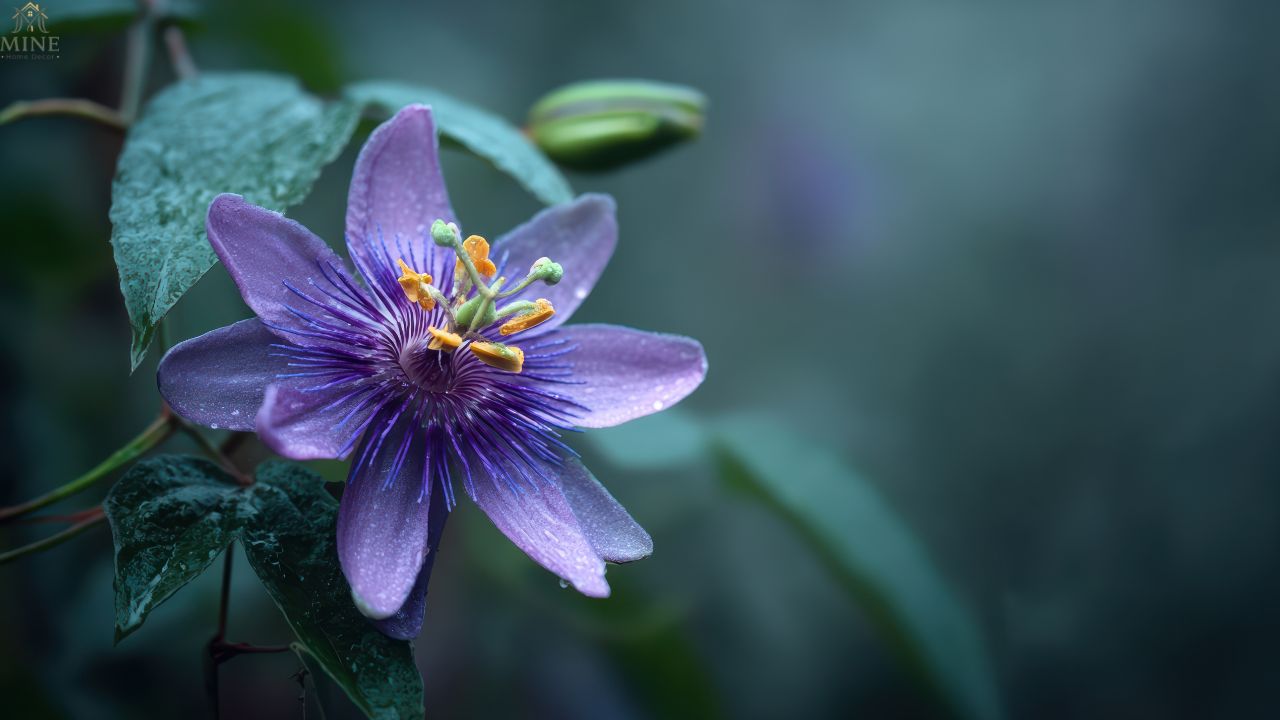
If you’ve ever seen a plant with soft, fuzzy leaves glowing in deep purple, you probably stopped for a second and thought, “Wait… is that even real?”
Yes, it is real—and it has a name that sounds just as magical as it looks: the purple passion plant.
This plant is not just another green houseplant sitting quietly in a corner. Oh no. The purple passion plant is dramatic, colorful, and full of personality. It almost looks like nature painted it with a brush dipped in velvet purple ink. That’s exactly why so many plant lovers fall in love with it at first sight.
In this guide, you will learn everything about the purple passion plant in a very simple way. No confusing words. No complicated science talk. Just clear, friendly explanations that even a 10-year-old can understand.
So let’s step into the world of this beautiful plant together.
🌿 What Exactly Is a Purple Passion Plant?
The purple passion plant, also known by its scientific name Gynura aurantiaca, is a tropical plant that is famous for its soft, fuzzy leaves. These leaves are covered with tiny hair-like structures that give it a velvet texture.
Because of this unique look, many people also call it the “velvet plant.” But the most popular name remains the purple passion plant, and once you see it, you’ll understand why.
It’s not just a plant—it feels like a small piece of art living in your home.
🌱 Why Is It So Special?
There are thousands of houseplants in the world, but the purple passion plant stands out for a few simple reasons:
- Its leaves are not green—they are deep purple
- The surface feels soft, like fabric
- It grows like a small vine, gently spreading out
- It brings instant color to any indoor space
When sunlight touches the purple passion plant, the purple color becomes even brighter. It’s like the plant is quietly showing off its beauty without saying a word.
And honestly? It deserves to show off.
🌞 A Plant That Loves Attention (But Not Too Much)
The purple passion plant is a bit like a child who loves attention but doesn’t want to be overwhelmed.
It enjoys bright spaces, but not harsh sunlight. It grows best indoors where the light is soft and gentle. If you give it the right spot, it will reward you with rich purple leaves that almost glow.
But if you ignore its needs, it might start losing its color. Don’t worry—we’ll talk about that later in the guide.
For now, just remember this simple idea:
👉 The purple passion plant loves balance.
🌍 Where Does the Purple Passion Plant Come From?
The purple passion plant originally comes from warm, tropical regions. In the wild, it grows in places where the air is warm, the humidity is soft, and sunlight filters through trees.
Because of this natural background, the purple passion plant feels most comfortable in cozy indoor environments. It does not like extreme cold or dry air.
Think of it like someone who prefers a comfortable room instead of harsh weather outside.
🪴 Why People Love It in Homes
There are many reasons why the purple passion plant has become a favorite indoor plant around the world.
Let’s break it down simply:
💜 1. It looks unique
Most plants are green. This one is purple. That alone makes it special.
💜 2. It feels soft and unusual
Touching its leaves feels like touching velvet.
💜 3. It grows beautifully indoors
You don’t need a garden. A small pot is enough for the purple passion plant to grow happily.
💜 4. It makes rooms feel alive
Its rich color adds warmth and personality to any space.
💜 5. It is beginner-friendly
Even if you are new to plants, the purple passion plant is forgiving if you learn its basic needs.
🌿 A Plant With a Personality
Yes, plants can have personality too—at least that’s how it feels when you grow the purple passion plant.
Sometimes it grows fast and wild. Sometimes it becomes a little soft and droopy if it doesn’t get enough care. And sometimes it surprises you with a burst of bright purple leaves when everything is just right.
It’s not boring. That’s the truth.
Every purple passion plant feels a little different, like it has its own mood.
🌱 How It Grows Indoors
Inside your home, the purple passion plant grows as a trailing plant. This means its stems gently spread outward instead of growing straight up like a tree.
Over time, you may notice:
- Long soft stems
- Purple leaves spreading outward
- A slightly wild but beautiful shape
If you let it grow freely, the purple passion plant can look like a small purple waterfall spilling from a pot.
But if you trim it carefully, you can make it look neat and bushy.
🌞 Why Its Purple Color Is So Important
The color of the purple passion plant is not just for beauty—it also tells you something important.
When the plant gets enough light, the purple color becomes deep and strong. But if the light is too low, the color may fade and the leaves can turn more green.
So in a way, the color of the purple passion plant is like a signal. It shows you whether the plant is happy or not.
🌿 Is It a Difficult Plant?
Here’s the good news:
The purple passion plant is not difficult if you understand its basic needs.
It does not demand too much. It just wants:
- Soft light
- Regular watering
- A comfortable indoor space
That’s it.
But like any living thing, the purple passion plant does need attention. If you ignore it for too long, it will start showing signs like drooping leaves or fading color.
Think of it like a quiet friend—it won’t shout, but it will show when something is wrong.
🌱 Why Beginners Love It
Many beginners choose the purple passion plant because it gives quick results. You don’t have to wait years to see beauty.
Within weeks, you can already see:
- New purple leaves forming
- Soft vine growth
- A colorful presence in your room
That instant reward makes caring for the purple passion plant exciting and fun.
It feels like watching nature grow in real time.
🌿 A Plant That Changes Your Space
One of the most beautiful things about the purple passion plant is how it changes the feeling of a room.
A plain corner suddenly looks lively. A dull shelf becomes interesting. Even a simple table feels more stylish.
It doesn’t just sit there—it transforms the space around it.
That’s why so many people choose the purple passion plant for home decoration.
🌱 A Small Warning (But Important)
Even though the purple passion plant is beautiful, it does need care consistency. If you forget it for too long, it may lose its purple glow or become weak.
But don’t worry—it usually responds quickly once you fix its care.
This makes the purple passion plant very rewarding. It forgives small mistakes and gives you a chance to learn.
🌿 Why This Plant Is Worth Your Time
At the end of the day, the purple passion plant is more than just a decorative plant.
It is:
- A splash of color in your home
- A beginner-friendly plant companion
- A living piece of natural art
- A small source of daily happiness
When you look at the purple passion plant, it doesn’t just show purple leaves—it shows life, growth, and beauty in a simple form.
And that is exactly why so many people fall in love with it.
🌱 What You Will Learn Next
Now that you understand what the purple passion plant is and why it is special, the next sections will help you become confident in growing it.
You will learn:
- How to take care of it properly
- How to fix common problems
- How to make it grow fuller and healthier
- How to keep its purple color strong
By the end of this guide, you will not just know about the purple passion plant—you will know how to truly care for it like a pro.